One of the most persistent myths surrounding heat pumps is that every radiator in your home must be ripped out and replaced before you can switch. The reality is more nuanced, and for many UK homes — particularly those built after the 1980s or already reasonably well insulated — existing radiators are either sufficient as they are or need only selective upgrades. Understanding why comes down to two concepts: flow temperature and radiator output.
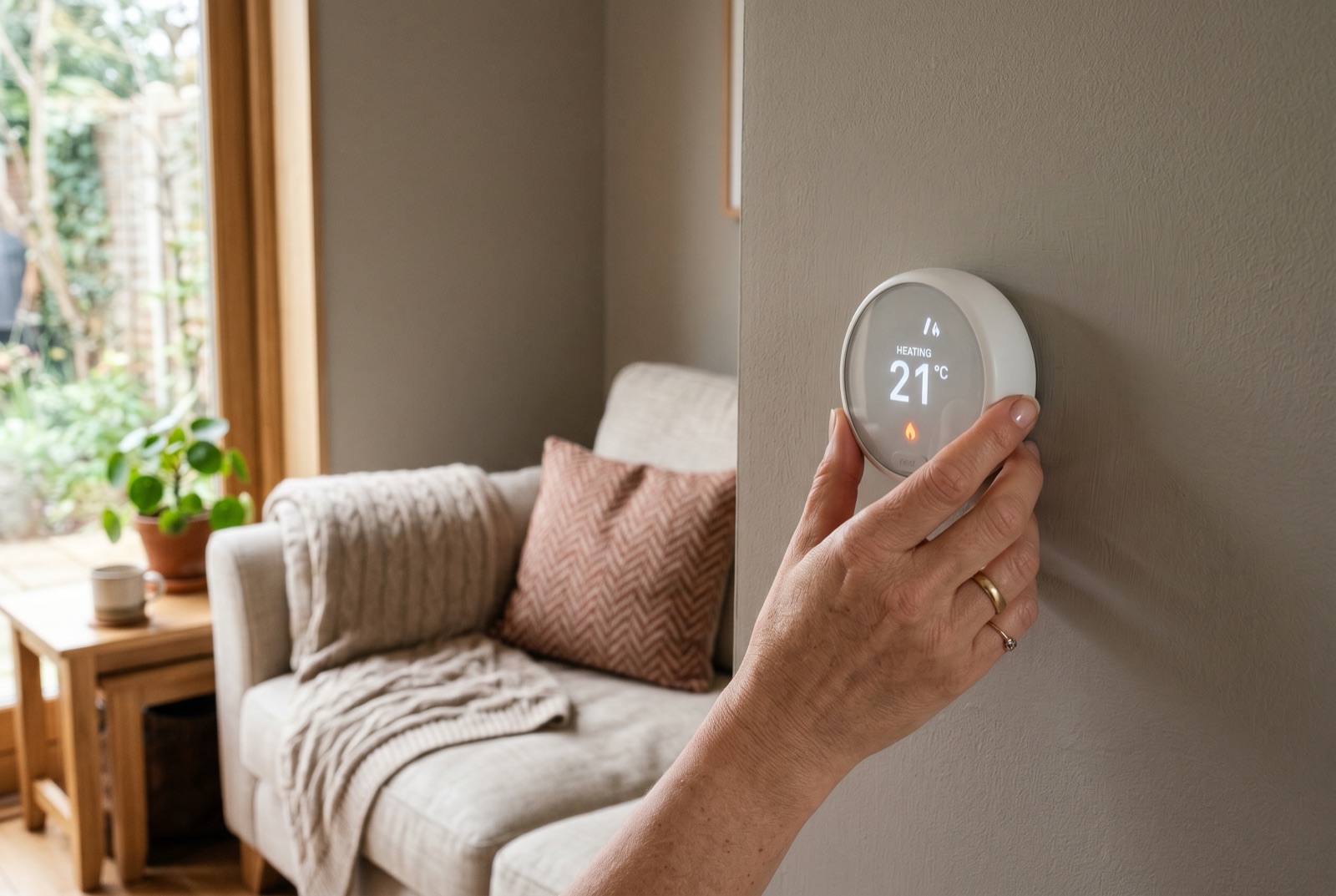
A gas boiler typically heats water to 70–80 °C before sending it around your radiators. Heat pumps work differently: they are most efficient at lower flow temperatures, usually in the range of 35–55 °C. The higher the flow temperature a heat pump must reach, the harder it works and the lower its Coefficient of Performance (COP) — meaning you use more electricity for each unit of heat delivered. Keeping flow temperatures at or below 45 °C is generally where heat pumps perform best and running costs stay competitive.
This is not a flaw unique to heat pumps. It is simply a different way of heating: lower temperature water delivered over a longer period rather than a short blast of very hot water. Whether your existing radiators can cope with that approach depends on how they were originally sized.
When a gas boiler was installed, the installer calculated the heat output each room needed — a figure called the room heat loss, measured in watts — and selected radiators sized to meet that demand at a high flow temperature, commonly 70 °C flow and 50 °C return (known as the 70/50 design condition). At lower heat pump flow temperatures, the same physical radiator emits less heat. At 45 °C flow and 40 °C return, a radiator may deliver only around 50–60% of its rated output. If a room was already a close match in your old system, that shortfall may leave it under-heated in cold weather.
- A radiator rated at 1,000 W at 70/50 °C may only deliver around 500–600 W at 45/40 °C.
- Rooms with high heat loss (large glazed areas, poorly insulated walls, north-facing) feel the shortfall first.
- Rooms where boiler-era radiators were generously oversized will likely be fine without any changes.
- Improving insulation reduces the room heat loss figure, which can bring existing radiators back into range.
A heat loss survey — carried out room by room using established methodology such as BS EN 12831 — is the only reliable way to know whether your radiators are adequate. Any installer quoting you a heat pump without doing this calculation first should be treated with caution. MCS-certified installers are required to complete a heat loss survey as part of the design process, and this step is what separates a properly specified system from one that may struggle on the coldest days of the year.
The survey results will show, room by room, the required heat output at your intended flow temperature. Your installer can then identify any radiators that fall short and recommend targeted upgrades rather than a blanket replacement of every panel in the house.
Replacement is warranted — but only where the numbers show a genuine gap. The most common scenarios where at least some radiators need upgrading include: rooms where the original radiator was a minimum-size fit for 70/50 °C operation; homes with older single-panel radiators that were never particularly generous to begin with; and extensions or conservatories added without heating upgrades. In practice, most heat pump installations in reasonably well-insulated UK homes result in some radiators being replaced or upsized, but rarely all of them.
- Single-panel radiators often need replacing with double-panel equivalents in the same space.
- Rooms with high ceilings or large areas of single glazing are the most likely candidates.
- Bathrooms with towel rails may need supplementary heating or a larger rail.
- Adding a radiator to an underutilised wall can sometimes be easier than replacing the existing one.
- Underfloor heating — if already present or being added during renovation — is inherently well-matched to heat pump flow temperatures.
Not every home requires radiator work. If your property was built or significantly renovated in the past 20 to 30 years, radiators may have been sized generously or the insulation levels may be good enough that room heat loss is low — meaning the existing emitters can meet demand even at reduced output. Similarly, homes where occupants historically ran the boiler at lower temperatures (for example, those using weather compensation controls) often discover their existing radiators were already working at relatively low flow temperatures without anyone realising it.
Before committing to radiator replacement, it is always worth examining whether improving insulation would achieve the same result at lower or comparable cost. Reducing a room's heat loss — by improving loft insulation, fitting cavity wall insulation, or upgrading windows — shrinks the gap between what your existing radiators can deliver at lower flow temperatures and what the room actually needs. In some cases, a modest insulation upgrade removes the need to change any radiators at all, which makes the overall heat pump project simpler and cheaper.
Before accepting any quote, ask your prospective installer to walk you through their heat loss calculation results and show you which specific rooms, if any, require radiator work and why. A credible MCS-certified installer will welcome that question. Ask them what flow temperature the system has been designed to run at, and what the expected seasonal coefficient of performance (SCOP) is — this figure indicates how efficiently the system will run across a full heating season under UK conditions.
- Request a room-by-room heat loss report, not a whole-house estimate.
- Ask what design flow temperature the system is specified for.
- Confirm which radiators, if any, the installer recommends replacing and the reason.
- Check whether any insulation improvements would reduce or eliminate the need for radiator upgrades.
- Verify the installer holds current MCS certification for heat pump installations.
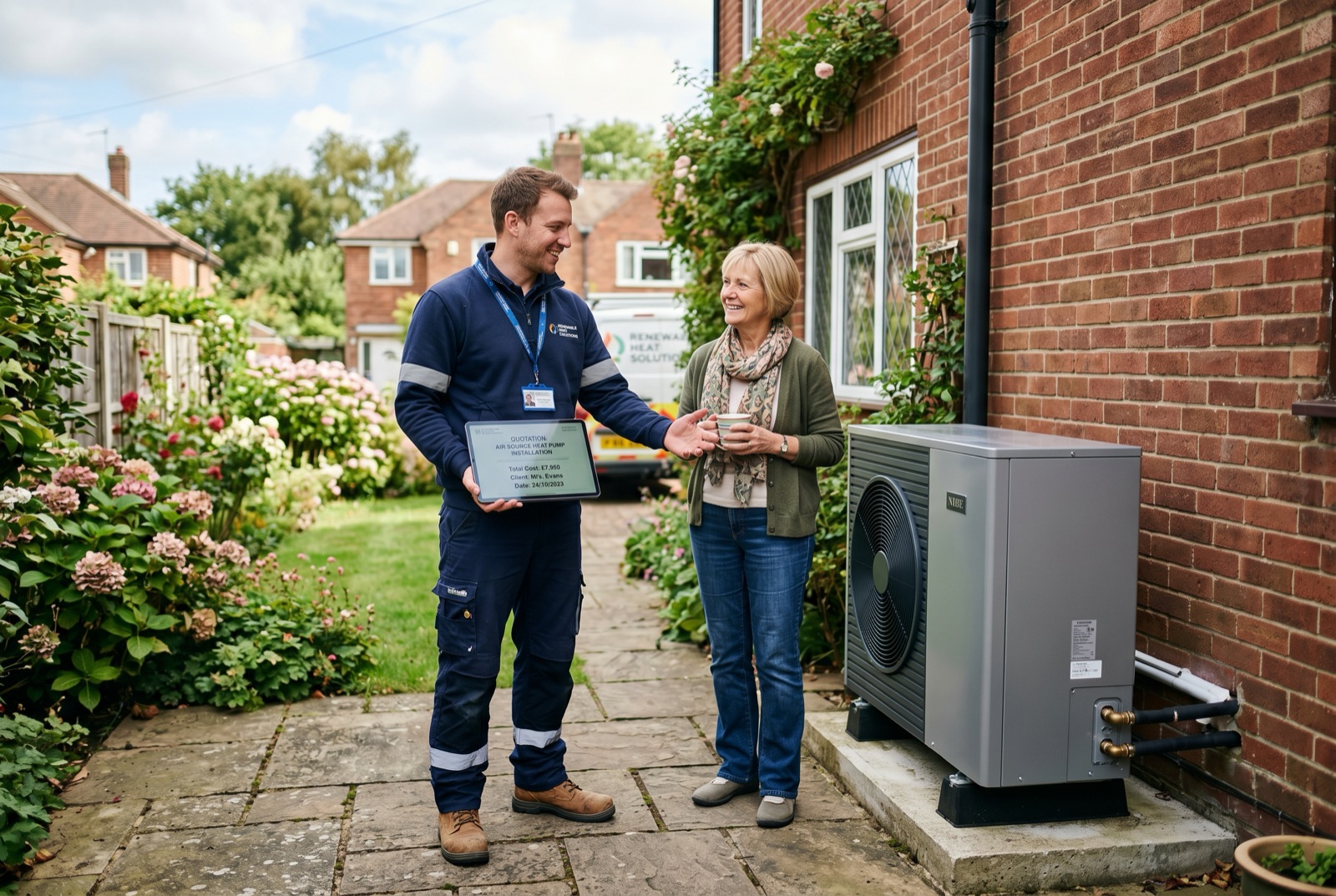
Radiator upgrades, where required, add to the quote depending on the size and accessibility of each panel. In most homes only a handful of rooms need attention, so the additional work is usually modest in the context of the overall installation. The Boiler Upgrade Scheme currently offers a grant of up to £7,500 toward the cost of an air source or ground source heat pump, which can offset the combined cost of the unit, installation, and any necessary radiator work. Heat pump installations also currently qualify for 0% VAT under UK rules for qualifying energy-saving measures, reducing the upfront cost further.
If you are considering a heat pump, the most useful first step is a professional heat loss survey from an MCS-certified installer. That survey will give you a clear, evidence-based picture of exactly what your home needs — and, just as importantly, what it does not. Use our directory to find MCS-certified heat pump installers in your area and request a no-obligation assessment.
Related on Renovation Register