When your gas boiler starts playing up after a decade or more of service, the obvious move is to fit another one. But it is also the moment when a heat pump is worth a proper look — and many homeowners only consider one when they are forced to make a decision under pressure. This guide compares the two fairly: how each heats your home, what really drives the running costs, the upfront price gap and how grants narrow it, and the comfort differences you will actually notice day to day. The aim is to help you decide which suits your home, not to push you in one direction.
How each one actually heats your home
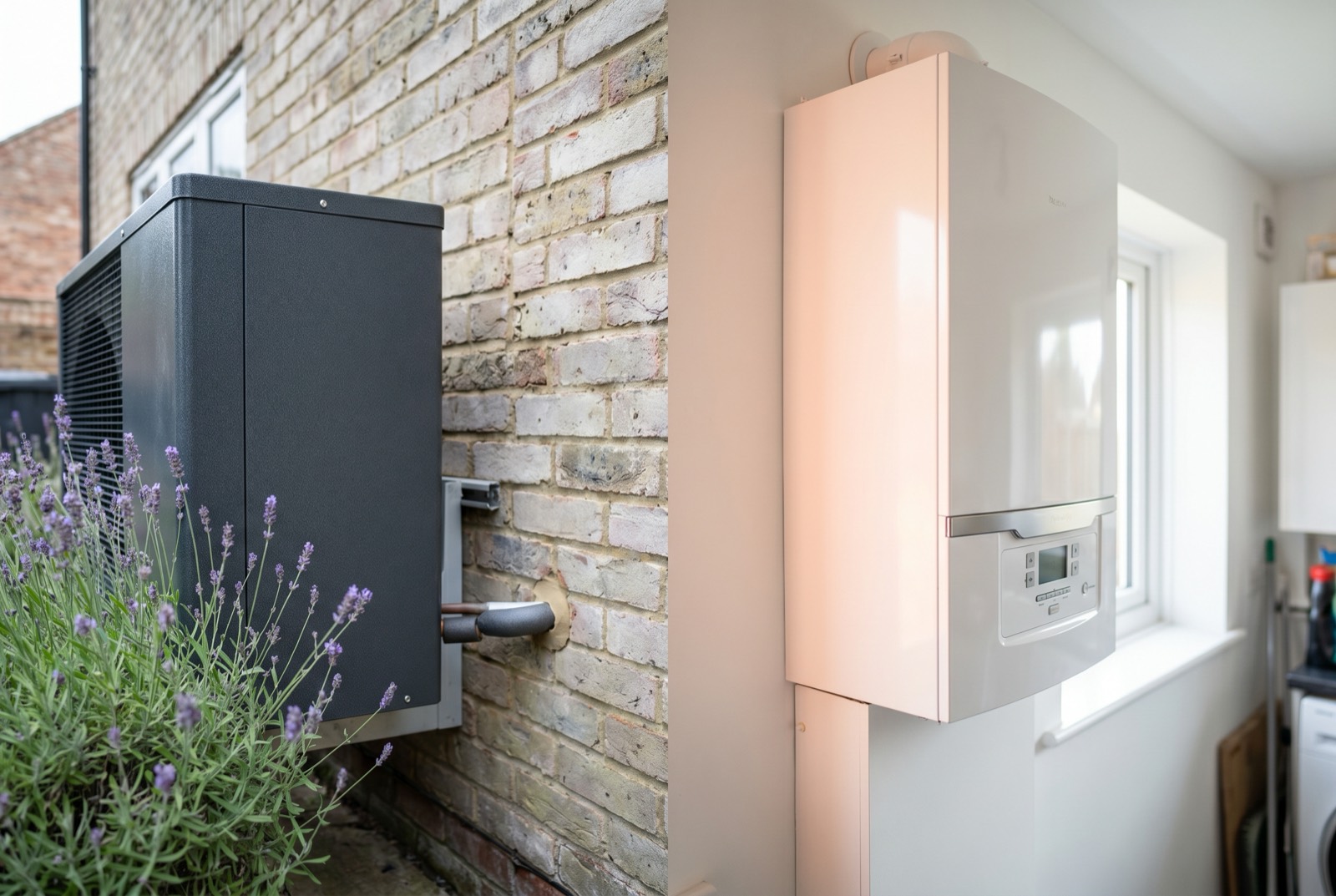
A gas boiler burns fuel to heat water, then sends it round your radiators at a high temperature — often around 70 to 80 degrees. It heats up quickly and gets hot to the touch, which is the kind of warmth most of us grew up with.
A heat pump works differently. Rather than burning anything, it uses electricity to move existing heat from the outside air or the ground into your home, much like a fridge working in reverse. It delivers heat at a lower temperature over longer periods, keeping the house at a steady, even warmth instead of short, hot bursts. That difference in approach is the key to understanding everything else that follows.
Efficiency: where heat pumps pull ahead
Efficiency is the heat pump's headline advantage. Because a boiler turns fuel into heat, it can never deliver more energy than it consumes — even an excellent modern condensing boiler runs at well under 100 per cent efficiency once you account for losses. A heat pump, by contrast, does not make heat; it moves it. For each unit of electricity it draws, a well-designed air-source system typically delivers around three to four units of heat. That ratio is called the coefficient of performance, or COP.
A word of caution: that COP of roughly three to four is not fixed. It drops in very cold weather and falls if the system is asked to push out high flow temperatures. The figure depends heavily on how well the system is designed and how well your home holds heat, which is exactly why a proper survey matters more for a heat pump than for a like-for-like boiler swap.
Running costs: it depends on more than efficiency
Here is the part that catches people out. A heat pump being three to four times more efficient does not automatically mean your bills fall by that much. In the UK, electricity currently costs considerably more per unit than gas, so the price gap eats into the efficiency advantage. Whether a heat pump is cheaper, similar or slightly dearer to run than your old boiler comes down to the balance between those two prices, the tariff you are on, and how well your home is insulated.
- The gas-to-electricity price ratio, which shifts over time and is set by the wider energy market
- Your electricity tariff — some are designed for heat pumps and offer cheaper off-peak rates that can change the maths considerably
- How well your home retains heat: poor insulation forces any heating system to work harder
- How the heat pump is sized and set up, since an oversized or badly configured unit runs less efficiently
We deliberately are not quoting a single pound figure for savings, because an honest answer is that it varies by household. A like-for-like comparison for your specific home, tariff and usage is the only number worth trusting — and that is precisely what a survey produces.
Upfront cost, and how the grant narrows the gap
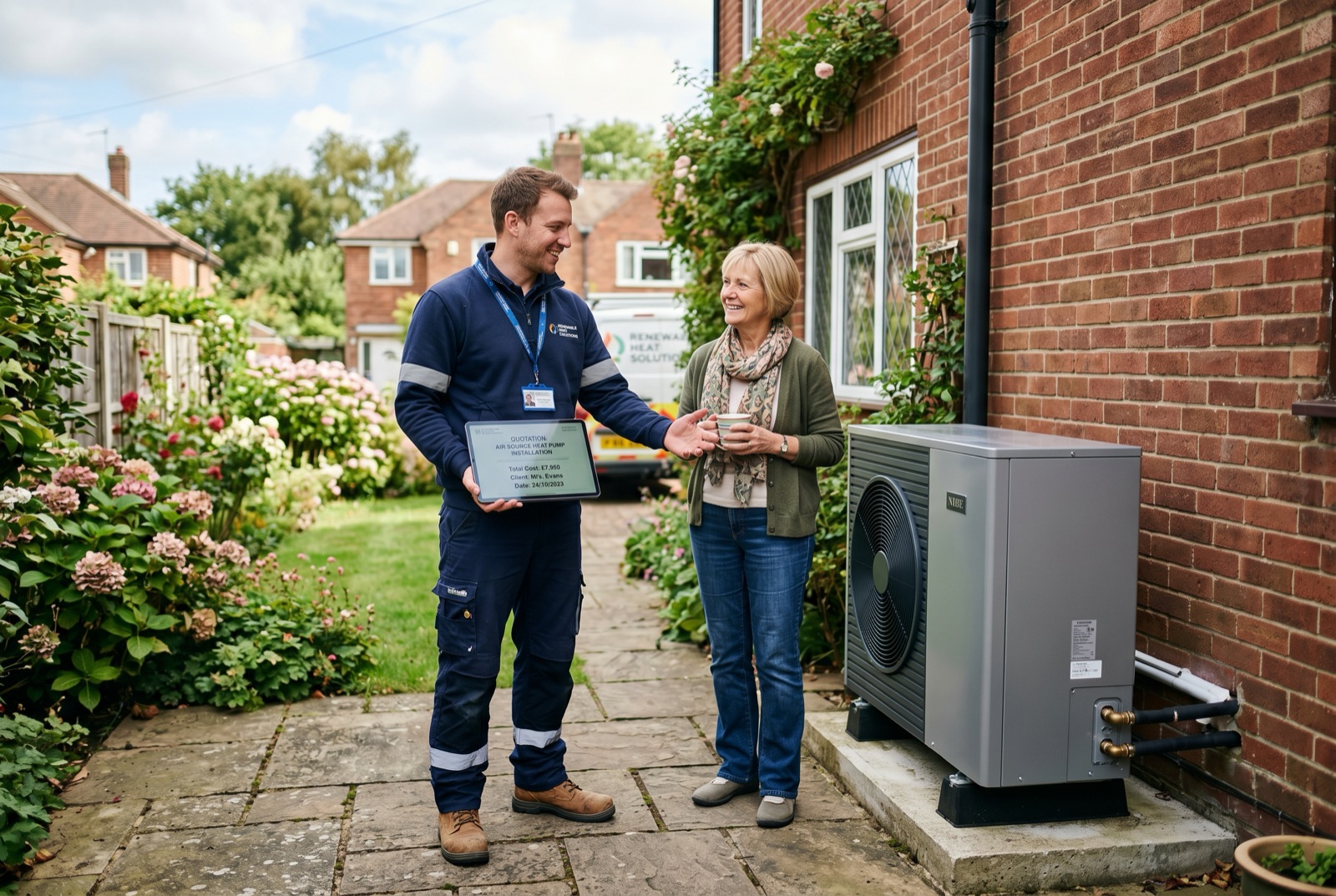
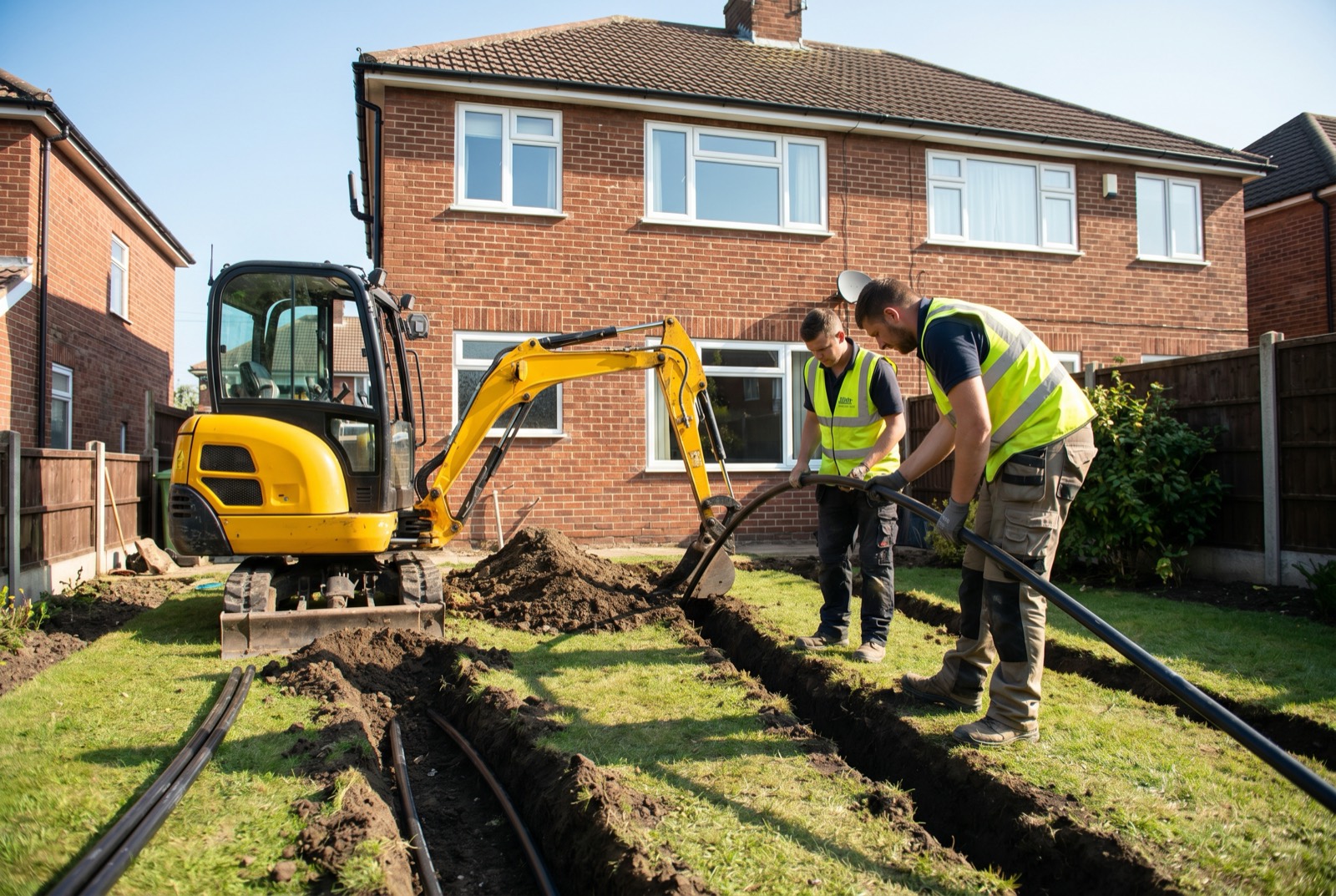
There is no getting around it: a heat pump costs more to install than a replacement boiler, and a ground-source system costs considerably more again than an air-source one because of the groundworks involved. The real figure depends on your property, the radiators and pipework involved, and the system size, so it is only ever firm once an installer has surveyed your home.
What changes the picture is the Boiler Upgrade Scheme. In England and Wales, it offers up to £7,500 off an air or ground-source heat pump, applied upfront by your MCS-certified installer, with no income or means test. It runs to 31 March 2028 as things stand in 2026, and your home needs a valid EPC with no outstanding loft or cavity insulation recommendations. On top of that, heat pumps, solar, battery storage and insulation are zero-rated for VAT until 31 March 2027, which the installer applies automatically. Always check the latest details on gov.uk, as schemes and dates can change. Scotland and Wales have their own support, such as Home Energy Scotland grants and loans, and Nest in Wales.
Comfort and lifestyle: a different kind of warmth
Day to day, a heat pump feels different rather than worse. Because it runs at lower flow temperatures, it works best left on for longer at a gentle, constant level, keeping rooms at an even temperature rather than blasting heat and then cooling off. Many people find this steady background warmth more comfortable once they adjust how they use it, though it does mean unlearning the habit of switching the heating off and on for quick bursts.
There are practical considerations. Lower flow temperatures mean some radiators may need upsizing so they can give out the same heat, and you need an outdoor unit with space around it. A boiler, on the other hand, fits familiar habits and rarely needs your radiators touched. Neither is right or wrong — it is about what fits your home and the way you live in it.
The carbon angle
On carbon, the direction of travel is clear. A gas boiler burns fossil fuel in your home every time it fires. A heat pump runs on electricity, and as the UK grid uses more renewable generation, the carbon footprint of running one falls year on year — something a boiler can never do. If lowering your home's emissions matters to you, that is a meaningful point in the heat pump's favour, separate from the pounds-and-pence question.
Working out what suits your home
The honest conclusion is that there is no universal winner. The right choice turns on your insulation, your radiators, the space you have, the tariff you can get and your appetite for the upfront investment against long-term running costs and carbon. Those are exactly the things you cannot judge from an article — they need someone to look at your actual home. Renovation Register's free project assessment, worth £380, sends an MCS-certified installer to survey your property and give you a written, no-obligation recommendation on whether a heat pump genuinely suits you, the likely costs and which grants apply. It is the surest way to swap guesswork for a clear answer before your boiler forces the decision.
Related on Renovation Register