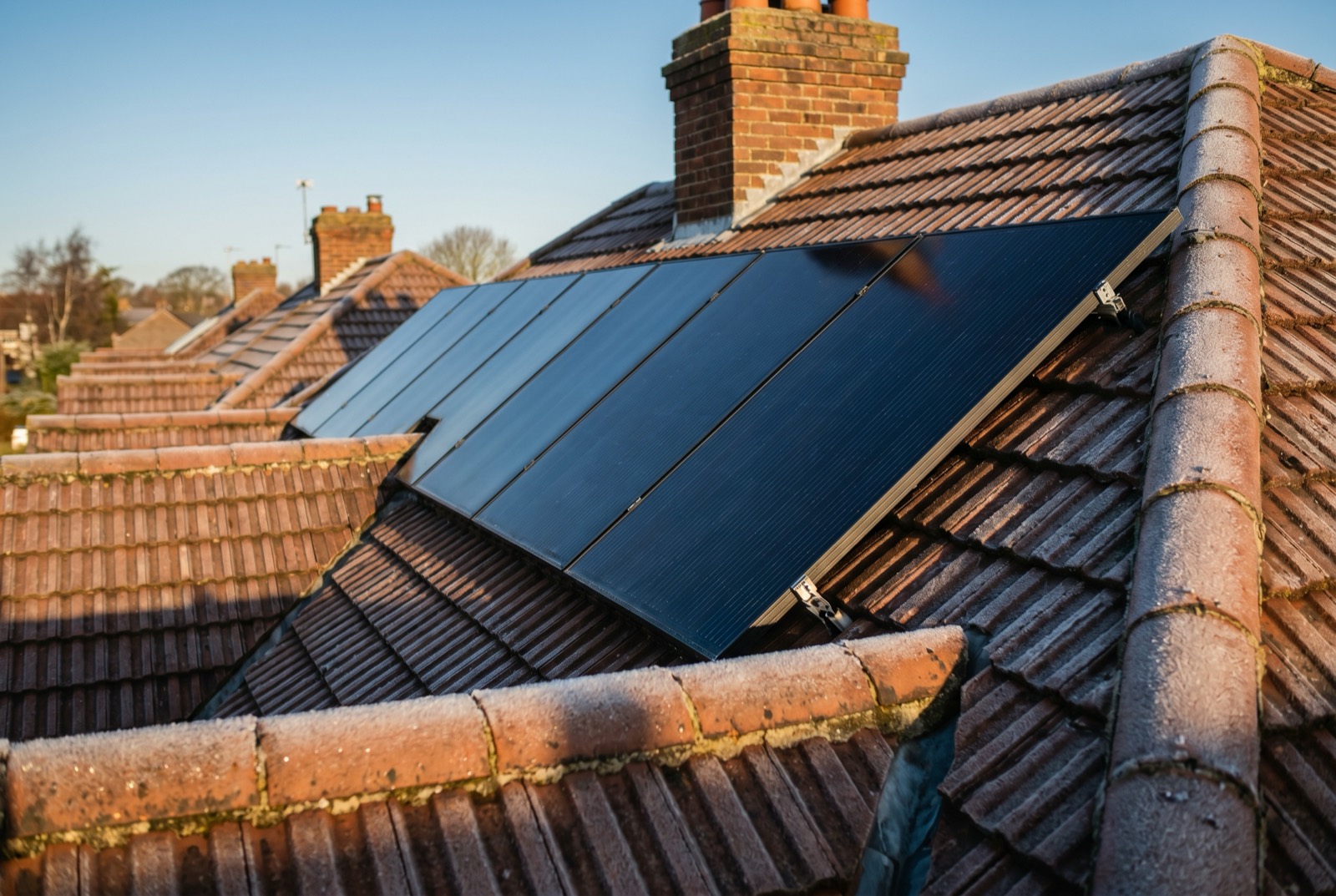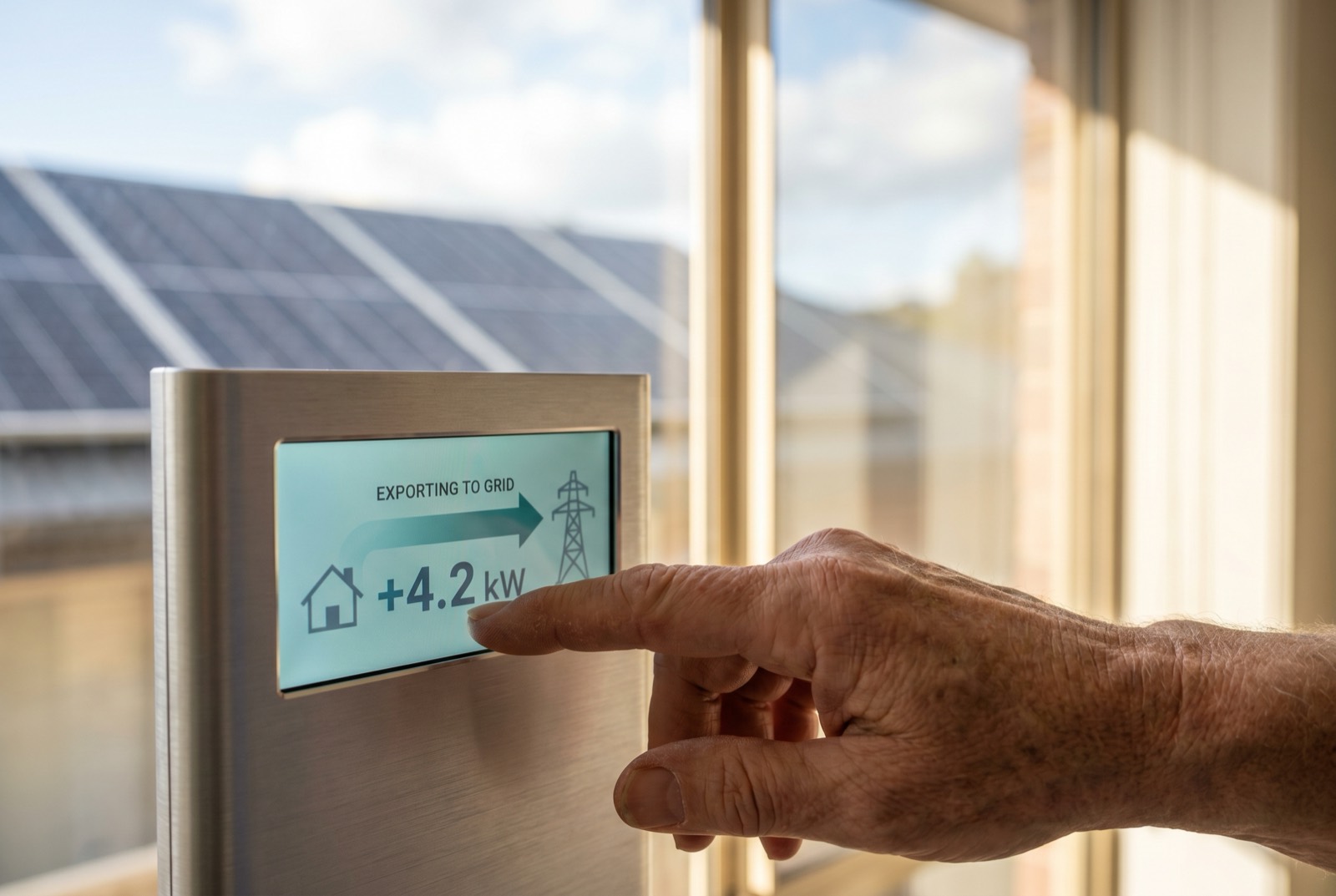
If you have solar panels on your roof, the electricity you generate but do not immediately use does not simply disappear — it flows back into the National Grid. Under the Smart Export Guarantee (SEG), energy suppliers are required to pay you for every unit you export. Understanding how the scheme works, which tariff suits your situation, and what you can realistically expect to earn is the key to making the most of your solar investment.
The Smart Export Guarantee is a UK government-backed scheme that came into force in January 2020, replacing the old Feed-in Tariff export element for new applicants. It places a legal obligation on larger licensed electricity suppliers — those with 150,000 or more domestic customers — to offer at least one SEG tariff that pays above zero pence per kilowatt-hour (kWh) for eligible exported electricity. Smaller suppliers may participate voluntarily. The scheme is administered by Ofgem, and tariff rates are set competitively by suppliers rather than by government, which means rates vary and can change over time.
To apply for SEG payments your low-carbon generation technology must meet certain conditions. Most homeowners with solar PV systems are eligible, but the rules are straightforward to follow.
- Your system must have a total installed capacity of 5 megawatts (MW) or less — for domestic solar PV this is almost always satisfied.
- The installation must be certified under the Microgeneration Certification Scheme (MCS), or an equivalent approved standard. This means both the technology and the installer must be MCS-certified.
- You must have a smart meter or a meter capable of providing half-hourly export readings, so your supplier can accurately measure what you export.
- You cannot simultaneously receive Feed-in Tariff (FiT) export payments for the same installation — the two schemes cannot be combined.
- Eligible technologies include solar PV, wind turbines, micro-hydro, anaerobic digestion, and micro-CHP units, though solar PV accounts for the vast majority of SEG applications.
Once accepted onto a SEG tariff, your supplier measures the electricity your system exports to the grid using your smart meter's half-hourly data. At the end of each billing period — typically monthly or quarterly depending on your supplier — you receive a credit or payment at the agreed rate per kWh exported. Some suppliers apply the credit directly to your electricity bill, reducing what you owe; others pay directly into your bank account. You can switch SEG suppliers independently of your main electricity supplier, which gives you flexibility to chase the best export rate without changing who supplies your incoming electricity.
Because the government sets no floor above zero, SEG tariff rates vary considerably between suppliers and can change with little notice. As a general guide, rates have ranged from around 1p per kWh at the lower end up to 15p or more per kWh on the most competitive tariffs, though the landscape shifts regularly. Fixed-rate tariffs lock in a rate for a set period and offer predictability; flexible or time-of-use tariffs pay different rates depending on when you export, which can be advantageous if you can manage your household consumption — for example by shifting usage to times of high self-consumption and exporting during high-rate windows. Comparing tariffs through Ofgem's published SEG register and through independent comparison resources before you sign up is strongly advisable.
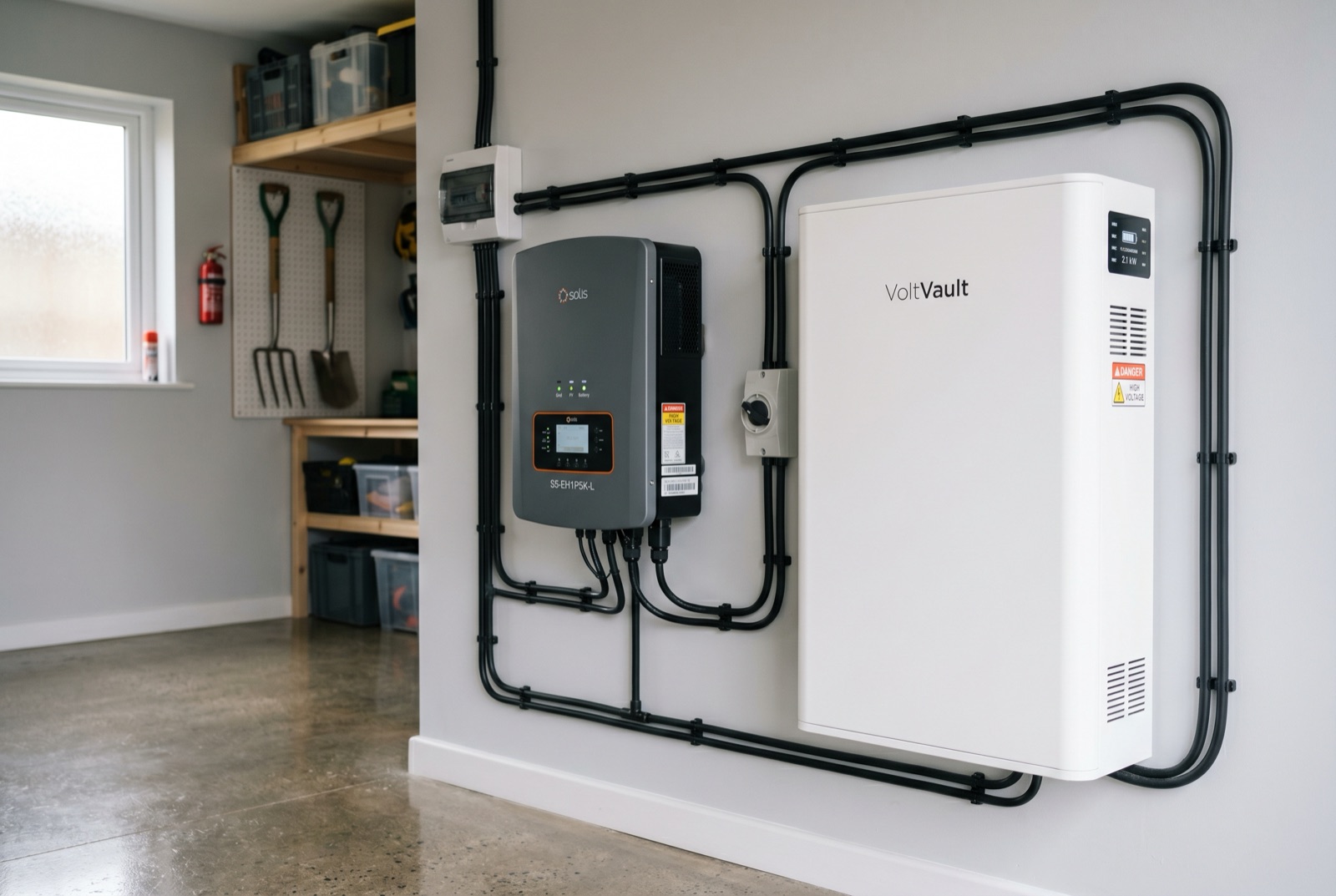
The choice between a fixed and a flexible SEG tariff depends largely on how much control you have over when you export. A fixed tariff is simpler and protects you if rates fall, making it a sensible default for most households. A time-of-use tariff can pay significantly more per kWh during peak grid demand periods — typically late afternoon and early evening — but you need either a battery storage system or a flexible household routine to take advantage. If you have or are considering a home battery, pairing it with a time-of-use SEG tariff can materially improve your overall return: charge the battery from your panels during the day, use stored energy in the evening, and export any surplus at the highest available rate.
- Maximise self-consumption first: every unit you use yourself saves you buying electricity at the full import rate, which is typically worth more than the export rate.
- Run high-consumption appliances — dishwashers, washing machines, EV chargers — during peak solar generation hours rather than in the morning or evening.
- Consider a home battery storage system: it lets you store midday generation and shift export to higher-value evening periods on time-of-use tariffs.
- Review your SEG tariff at least annually. Rates and suppliers change; switching to a better tariff costs nothing and requires no physical work.
- Ensure your inverter and smart meter are functioning correctly. Faults can go unnoticed and silently reduce the export readings your supplier receives.
- Keep your MCS documentation safe. You will need the MCS certificate number when applying to a SEG supplier and if you ever sell your home.
MCS certification is not a bureaucratic formality — it is the quality mark that unlocks SEG eligibility and protects you as a consumer. An MCS-certified installer has demonstrated that they meet rigorous standards for competence, health and safety, and installation quality. The MCS certificate issued after your installation serves as your proof of eligibility when you apply for SEG payments. Using a non-MCS installer to save money upfront may mean you cannot access the SEG at all, which over a 25-year system lifespan could represent a significant financial loss. Always verify that any installer you consider is currently MCS-certified before signing a contract.
The SEG sits within a broader package of support for home renewable energy in the UK. Solar PV installations, along with qualifying battery storage systems added at the same time, currently benefit from a zero rate of VAT — a saving that meaningfully reduces the upfront cost of a system and improves the overall payback calculation. There is no government grant for solar PV through schemes like the Boiler Upgrade Scheme (which focuses on heat pumps and biomass boilers), but the combination of zero VAT, reduced energy bills through self-consumption, and SEG income together make solar PV one of the more financially compelling home energy measures available to UK households.
If you are considering solar panels — or if you already have them and have not yet signed up to a SEG tariff — the next practical step is to get a proper assessment from an MCS-certified installer who can size the right system for your roof and usage pattern, confirm your smart meter compatibility, and help you understand realistic generation and export figures for your location. You can find accredited installers serving your area through the Renovation Register directory, where every listed professional holds current MCS certification.