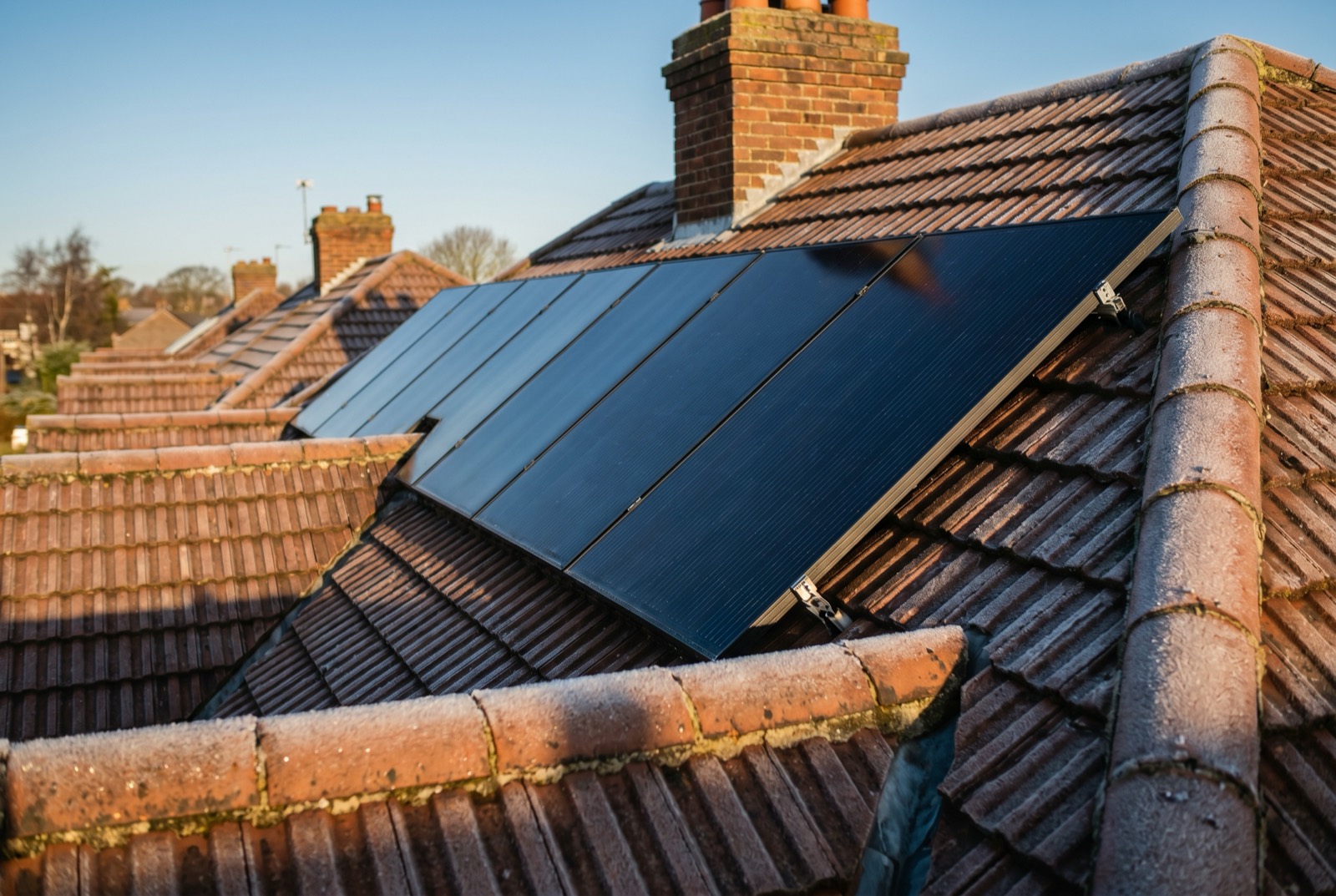
One of the most persistent myths about solar panels is that they are useless in Britain — too little sun, too much cloud, too many grey November afternoons. The reality is more encouraging. Solar photovoltaic (PV) panels generate electricity from daylight, not direct sunshine, which means they continue to produce power even when the sky is overcast. Understanding how output varies across the seasons helps you set realistic expectations and get the most from a system year-round.
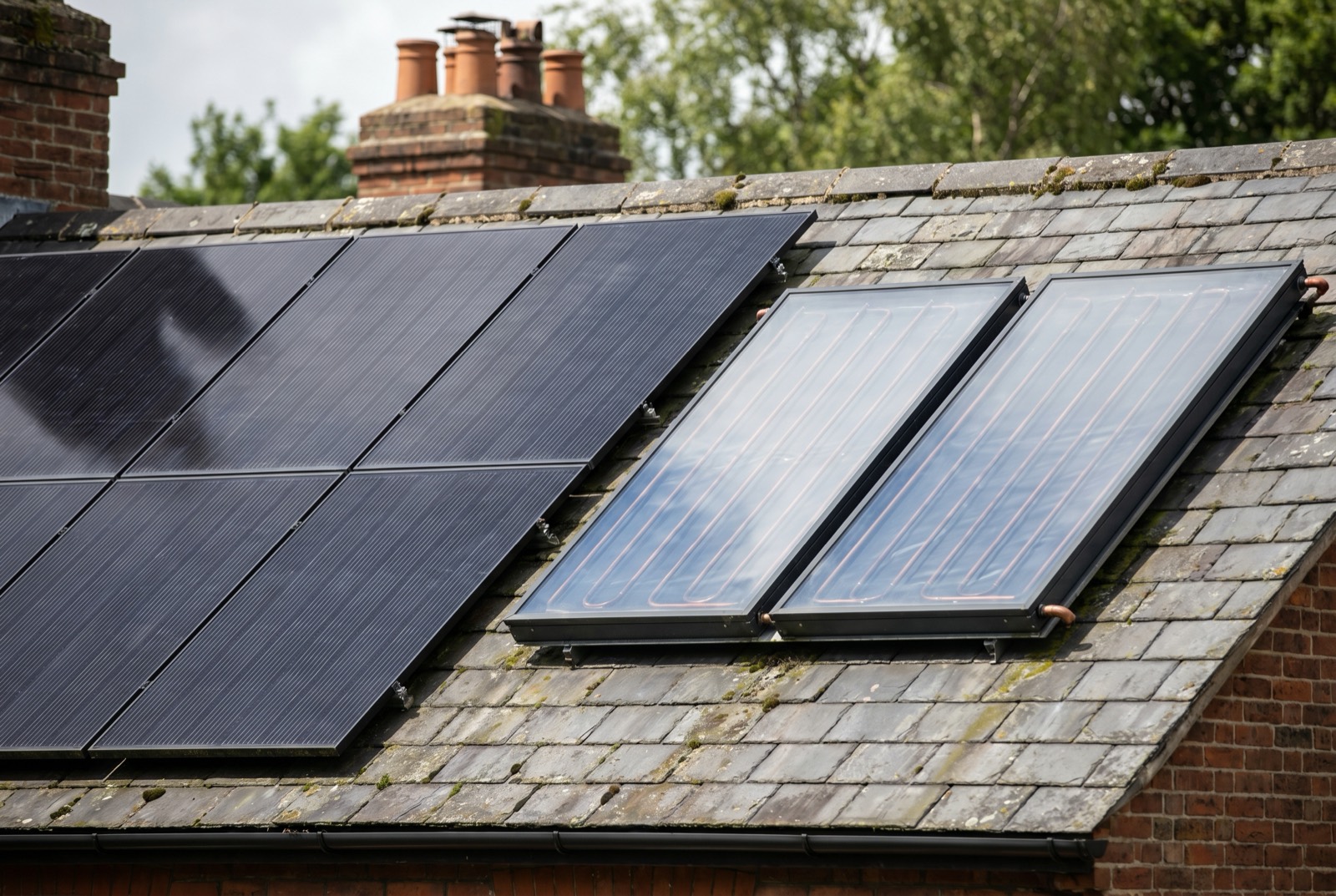
Solar PV panels convert light — specifically photons — into direct current (DC) electricity, which an inverter then converts to alternating current (AC) for use in your home. The key point is that panels respond to the full spectrum of daylight, including the diffuse light that scatters through cloud cover. Direct sunshine produces the highest output, but diffuse light still drives a meaningful current through the cells. This is why countries like Germany — with a climate comparable to the UK's — have one of the largest installed solar capacities in the world.
In winter, two factors reduce generation: the sun sits lower in the sky, delivering less intense radiation per square metre, and daylight hours are significantly shorter — in Scotland, a December day may offer fewer than seven hours of usable light. A south-facing roof in southern England might generate roughly a fifth to a quarter of its midsummer output on a typical December day. That is still real, free electricity. A system that produces around 3,000 kWh per year will generate a larger share of that in spring and summer, but winter months are not blank.
- December and January produce the lowest monthly output — roughly 10–15% of annual generation in a typical UK installation.
- March and September are transition months where output rises quickly as day length and solar angle improve.
- June and July are peak months, contributing disproportionately to annual totals.
- Even on a heavily overcast winter day, panels typically operate at 10–25% of their rated peak capacity.
- Cold temperatures can actually improve panel efficiency slightly, as solar cells perform better when cool.
Diffuse light — sunlight scattered by cloud, haze, or atmospheric particles — reaches your panels from all directions rather than a single point. Modern monocrystalline and polycrystalline panels are well suited to diffuse conditions and perform significantly better in them than older thin-film technologies. The UK's irradiance levels, measured in peak sun hours, range from roughly 2.5 hours per day in northern Scotland to around 3.5 hours in southern England on an annual average basis. These figures already account for the country's characteristically cloudy weather, and they are sufficient to make solar PV a financially viable technology across virtually all of Great Britain.
Output is measured in kilowatt-hours (kWh) per kilowatt-peak (kWp) of installed capacity. In the UK, a well-sited south-facing system with no significant shading typically generates between 800 and 1,100 kWh per kWp per year. A 4 kWp domestic system — common for a three- or four-bedroom house — might therefore produce roughly 3,200 to 4,400 kWh annually. To put that in context, the average UK household uses approximately 3,500 kWh of electricity per year, though this figure rises considerably if you charge an electric vehicle or run a heat pump.
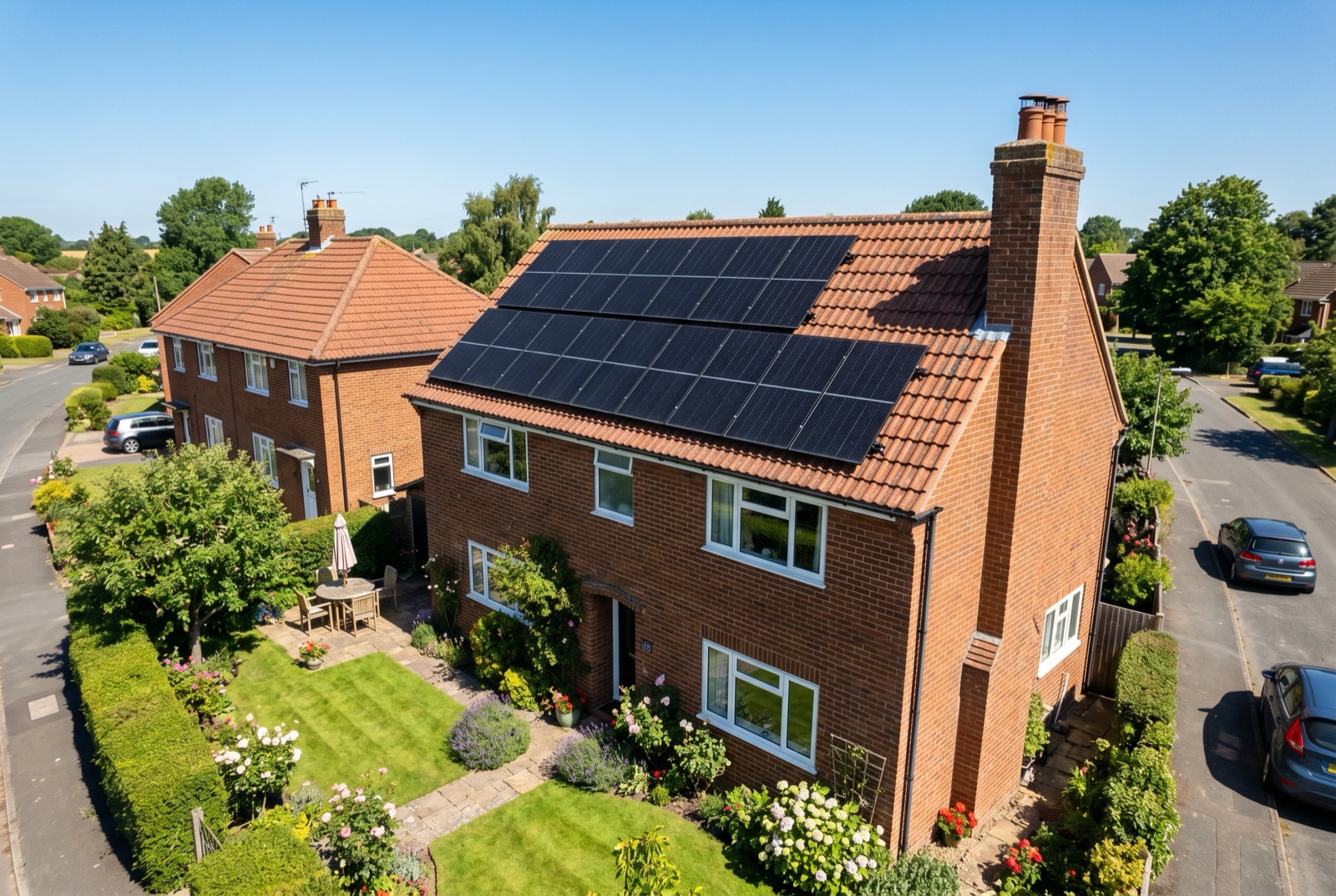
- South-facing roofs at a pitch of 30–40 degrees deliver the best annual yield in the UK.
- East- or west-facing roofs produce roughly 15–20% less than south-facing equivalents but can better match morning or evening household demand.
- Shading from trees, chimneys, or neighbouring buildings has a disproportionate impact — even partial shading can cut output significantly.
- An MCS-certified installer will model your site's yield using recognised tools before recommending system size.
- Output figures from reputable installers are based on long-run averages and include cloudy periods.
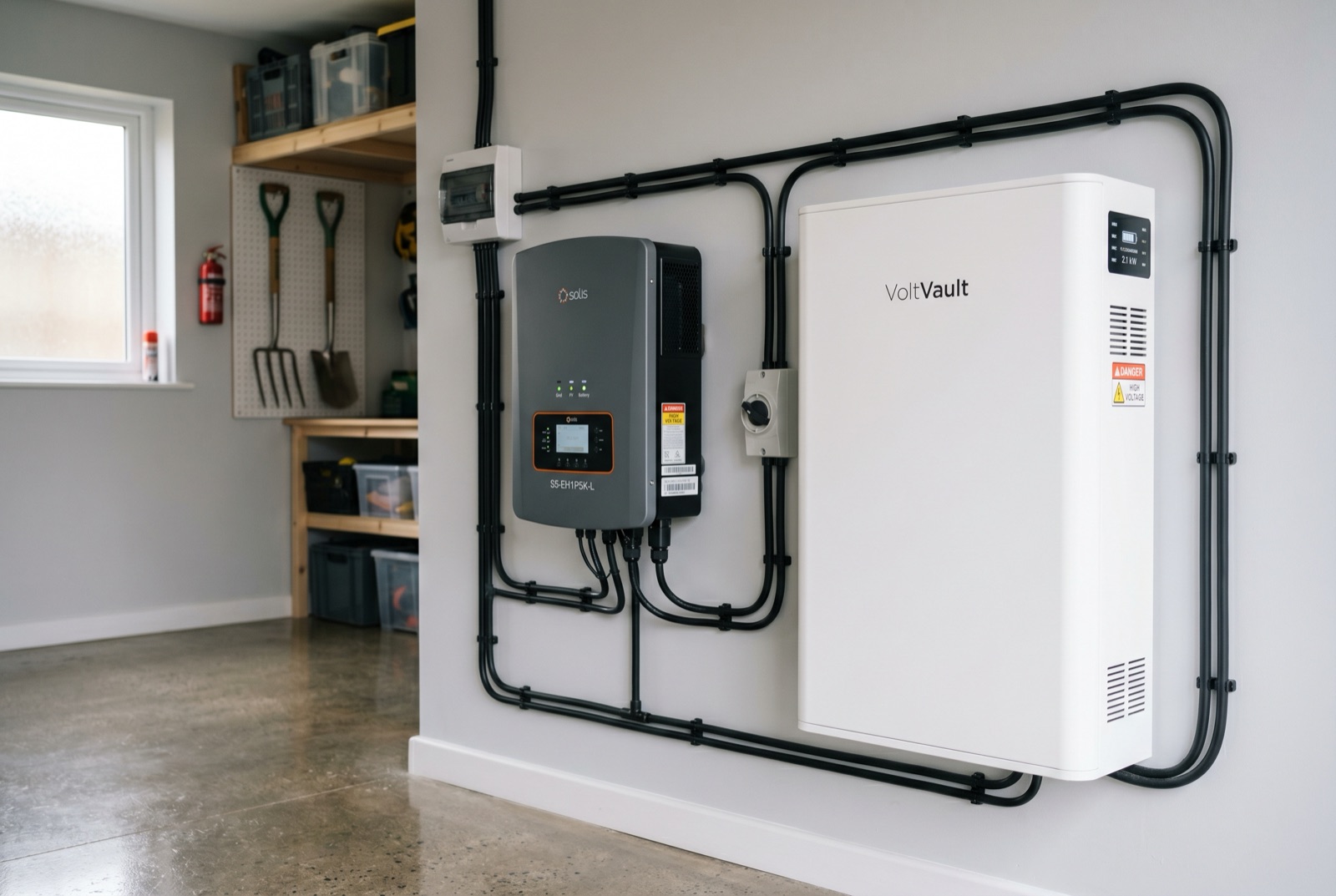
Even in winter, there are often periods — particularly around midday on brighter days — when solar panels generate more electricity than the household is consuming. Without storage, that surplus is exported to the grid. A home battery system captures this excess and makes it available in the evening when panels are not generating. Pairing storage with solar PV is increasingly common and can meaningfully improve self-consumption, particularly for households that are out during the day. Battery costs have fallen considerably in recent years; what a domestic lithium-ion battery costs to install depends on capacity and whether it is added to an existing system or installed alongside new panels.
Any electricity your panels generate but do not use is exported to the national grid. Under the Smart Export Guarantee (SEG), licensed electricity suppliers with more than 150,000 customers are required to offer you a payment rate for that export. Rates vary by supplier and tariff — shopping around is worthwhile. Crucially, to be eligible for SEG payments, your installation must be carried out by an MCS-certified installer and your panels must meet the relevant MCS product standards. This certification is not a bureaucratic formality; it is the mechanism that ensures your system has been designed, installed, and commissioned to a verified standard, which also protects your warranty and any future sale of the property.
- Do panels work when it snows? Yes, though snow covering the panels temporarily stops generation. Snow typically slides off quickly on a tilted roof, and the reflective ground can actually boost nearby light levels.
- Do panels need cleaning in winter? Light rain generally keeps panels clean. Professional cleaning may be worthwhile if panels are heavily soiled, but is rarely essential in the UK climate.
- Does frost damage panels? Modern panels are tested to withstand temperatures well below freezing and are not harmed by frost.
- What about storm damage? MCS-certified systems are installed to meet relevant UK wind and structural loading standards. Check that your installer provides a workmanship warranty of at least two years.
- Will panels still generate on a completely overcast day? Yes — output will be low but not zero. Even dense cloud cover passes some diffuse light.
The economics depend on your roof orientation, location, household energy usage, and current electricity tariff — but for most homes with a suitable roof, the answer is broadly yes. The combination of 0% VAT on qualifying solar installations, SEG export payments, and savings on imported electricity typically delivers a payback period in the range of eight to fourteen years on a system with a design life of twenty-five years or more. That calculation improves further if you pair panels with a heat pump or electric vehicle, both of which increase the volume of low-cost solar electricity you consume directly.
If you are considering solar panels for your home, the best starting point is a site-specific assessment from a qualified professional. An MCS-certified installer can model your roof's actual yield, account for any shading, and give you a realistic picture of costs and returns — without obligation. Use Renovation Register to find MCS-certified solar installers in your area and compare options before you commit.
Related on Renovation Register