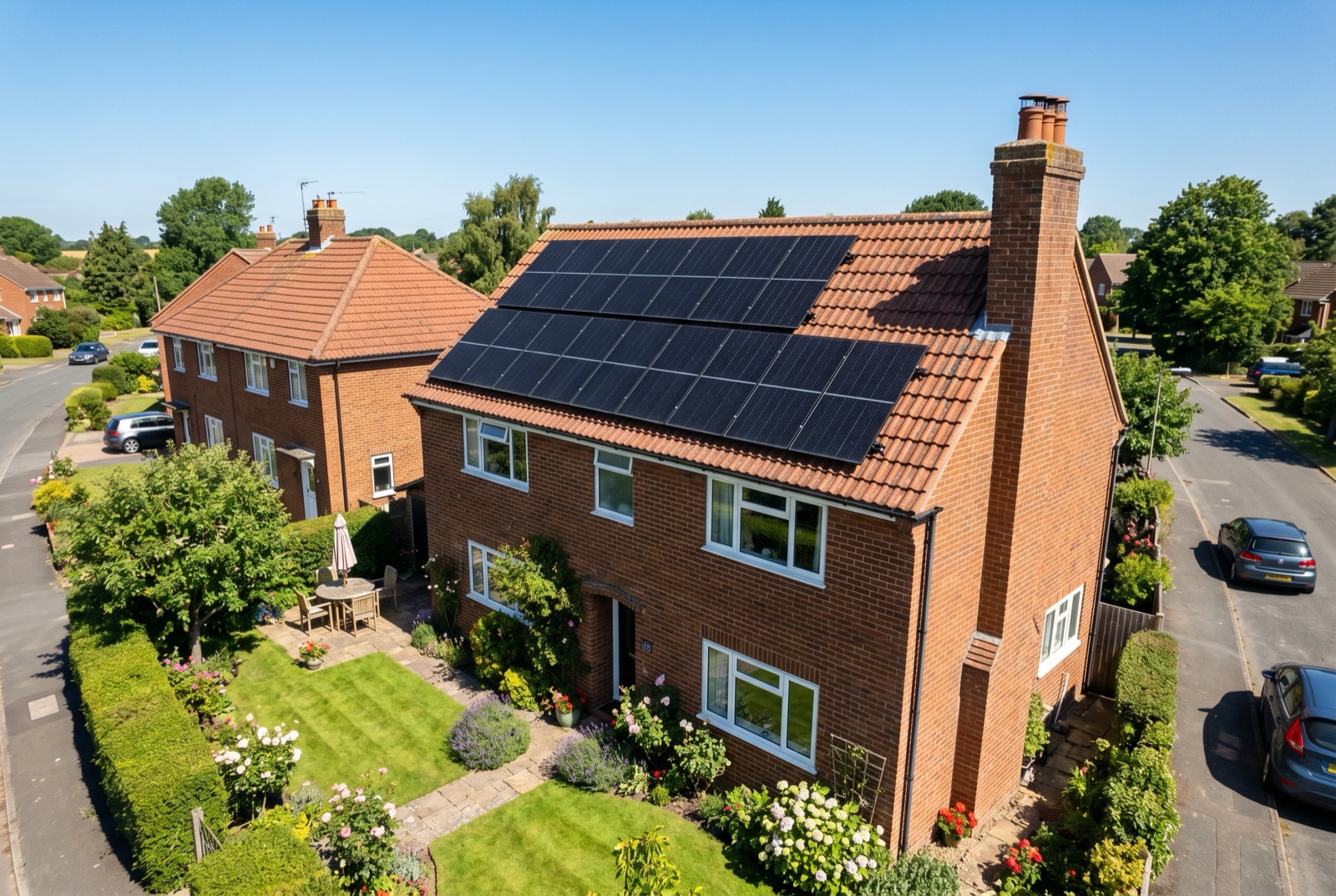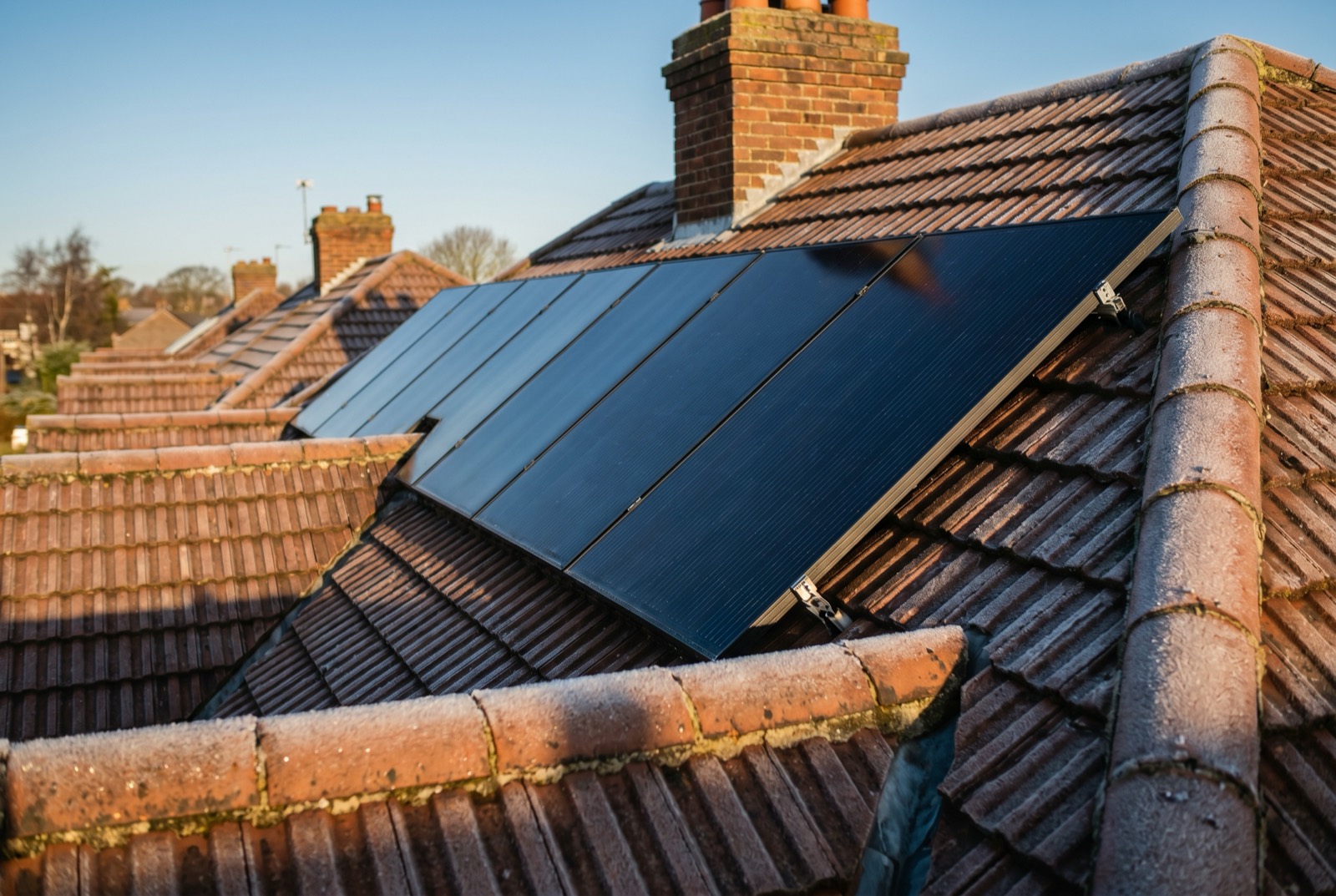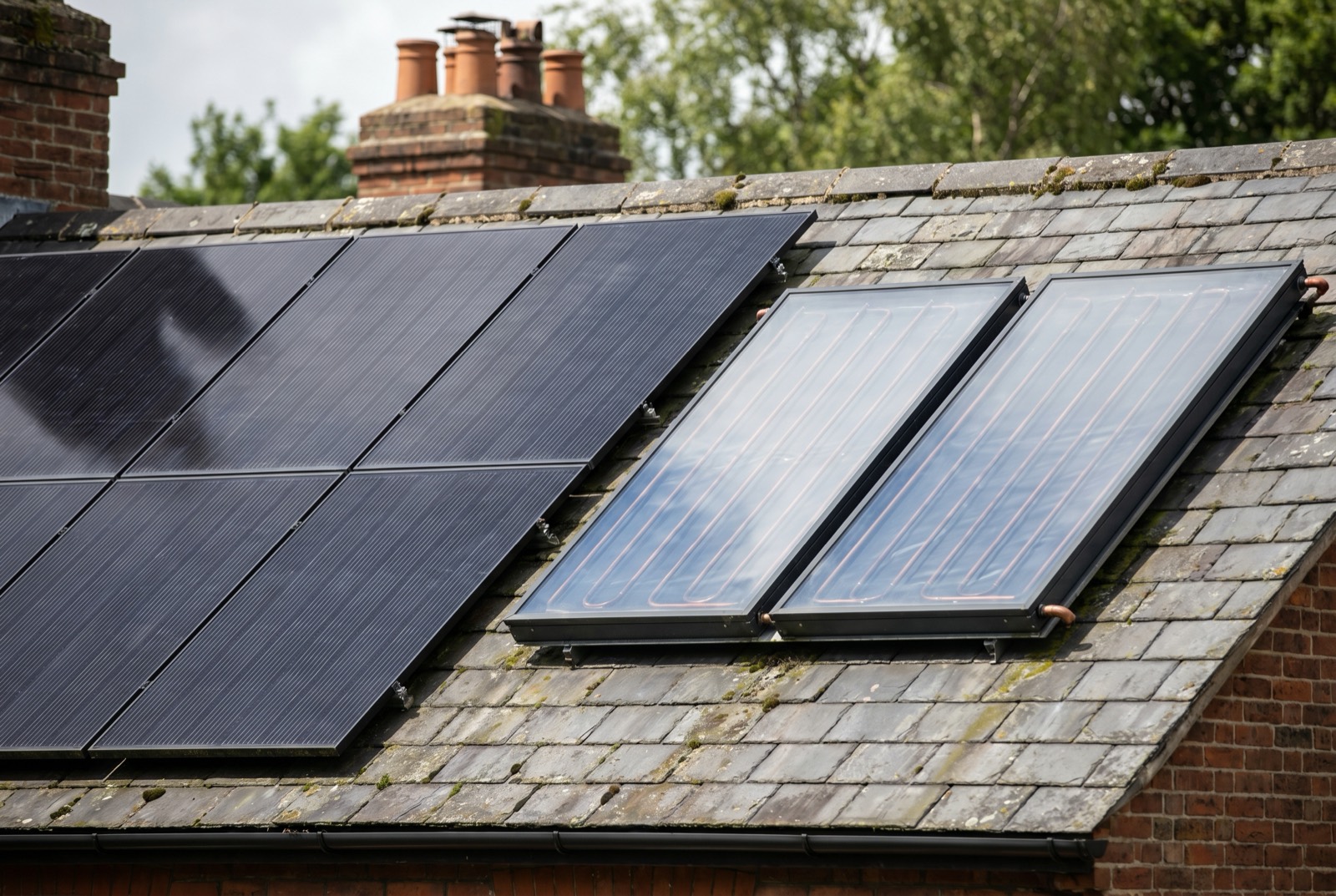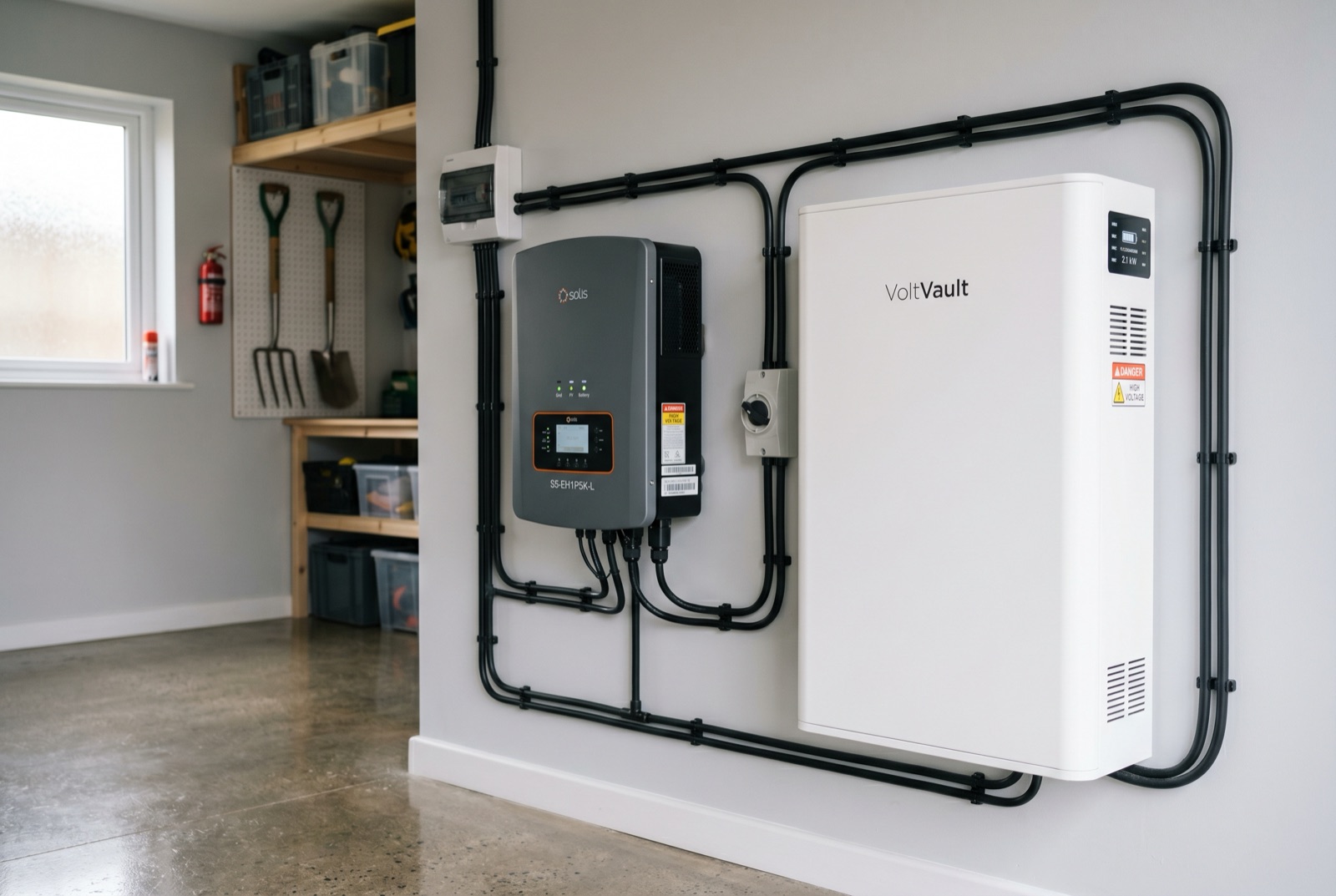
Solar panels are brilliant at generating electricity during the day, but most of us use the bulk of our power in the early morning and the evening, when the sun is low or gone. That mismatch is the single biggest reason solar owners look at adding a battery. A home battery stores electricity you would otherwise export to the grid for very little, then releases it when you actually need it. The question is whether the savings justify the up-front cost, and the honest answer depends on how you use energy, what tariff you are on, and how your system is set up.
What a home battery actually does
A battery sits between your solar panels, your home and the grid. During the day it captures the surplus your panels generate but you are not using, instead of sending that power straight to the grid. In the evening, when your panels produce little or nothing, your home draws from the battery rather than buying expensive electricity from your supplier.
There is a second, increasingly popular use too. If you are on a time-of-use tariff with cheap overnight rates, a battery can charge up from the grid when electricity is at its cheapest, then power your home through the pricier daytime and evening peaks. Many households combine both strategies: solar when the sun is out, cheap off-peak grid power when it is not.
What does battery storage cost?
What a home battery storage system costs to install depends mainly on capacity (measured in kilowatt-hours, or kWh), the brand, and how complex the installation is, so an accurate figure comes from a quote rather than a rule of thumb. A larger battery stores more energy but costs more, so bigger is not automatically better — the goal is to match the battery to your needs, not to over-buy.
There is a useful saving on the price itself. As of 2026, battery storage, solar PV and other energy-saving materials are zero-rated for VAT until 31 March 2027 (HMRC, UK-wide). The 0% rate is applied automatically on your installer's invoice. Importantly, this now applies to batteries fitted on their own as well as alongside solar, so retrofitting a battery to an existing array can also benefit — always check the latest position on gov.uk, as VAT rules can change.
How time-of-use tariffs change the maths
Time-of-use tariffs are what make many batteries pay their way today. These tariffs charge very different prices through the day, often with a cheap window overnight and higher rates at peak times. With a battery, you can fill up on cheap electricity and avoid buying any at peak prices — a daily saving that adds up over the year.
If you have solar and are on the Smart Export Guarantee (SEG), there is a balance to strike. The SEG pays you for surplus solar you export to the grid, but those export rates are usually lower than what you would otherwise pay to buy electricity back in the evening. Storing your surplus and using it yourself is generally worth more than exporting it — though the exact figures depend on your tariff, your supplier's SEG rate and your usage, so it is worth modelling your own numbers.
Sizing a battery to your home
Getting the size right is the difference between a battery that pays off and one that sits half-empty. Too small and you run out of stored power before the evening is over; too large and you are paying for capacity you never fill. The right size depends on your daily electricity consumption, the size of your solar array, and your daily routine.
- Your typical daily electricity use in kWh — check recent bills or your smart meter app
- How much surplus your solar panels realistically produce, which varies by season
- When you use most of your power — evening-heavy households benefit more from storage
- Whether you have, or plan to add, an EV charger or heat pump, which raise your usage
- Whether you want to charge from a cheap overnight tariff as well as from solar
Backup power and resilience
Many people assume a battery will keep the lights on during a power cut. That is only true if the system is specifically set up for backup, with the right inverter and wiring — it is not automatic. Standard battery installations shut down in an outage for safety reasons. If keeping essential circuits running during a cut matters to you, say so at the survey stage, because backup capability affects the equipment, the cost and the design.
When a battery may not be worth it
A battery is not the right move for everyone. If you already use most of your solar generation during the day — for example, you work from home and run appliances while the sun is up — there may be little surplus left to store. Likewise, if you are on a flat-rate tariff with no cheap overnight window and no solar, the savings can be slim relative to the cost. And if you are likely to move home soon, you may not be in place long enough to recoup the outlay.
The best battery is the one sized to how your household actually uses electricity — not the biggest one on the shelf.
The Renovation Register Team
Getting it right for your home
Battery storage can be a genuinely smart upgrade, but the payback hinges on details that are specific to your home: your usage pattern, your tariff, your solar generation and how the system is configured. Rather than guess, it is worth having an MCS-certified installer look at your actual figures and recommend a size that fits.
Renovation Register offers a free project assessment worth £380, with no obligation: an MCS-certified installer visits, surveys your setup and gives you a written recommendation — including whether a battery makes sense and what capacity would suit your consumption. A free project assessment can confirm exactly what suits your home before you spend anything. You can request one at /demande, or browse certified installers at /installers.
Related on Renovation Register