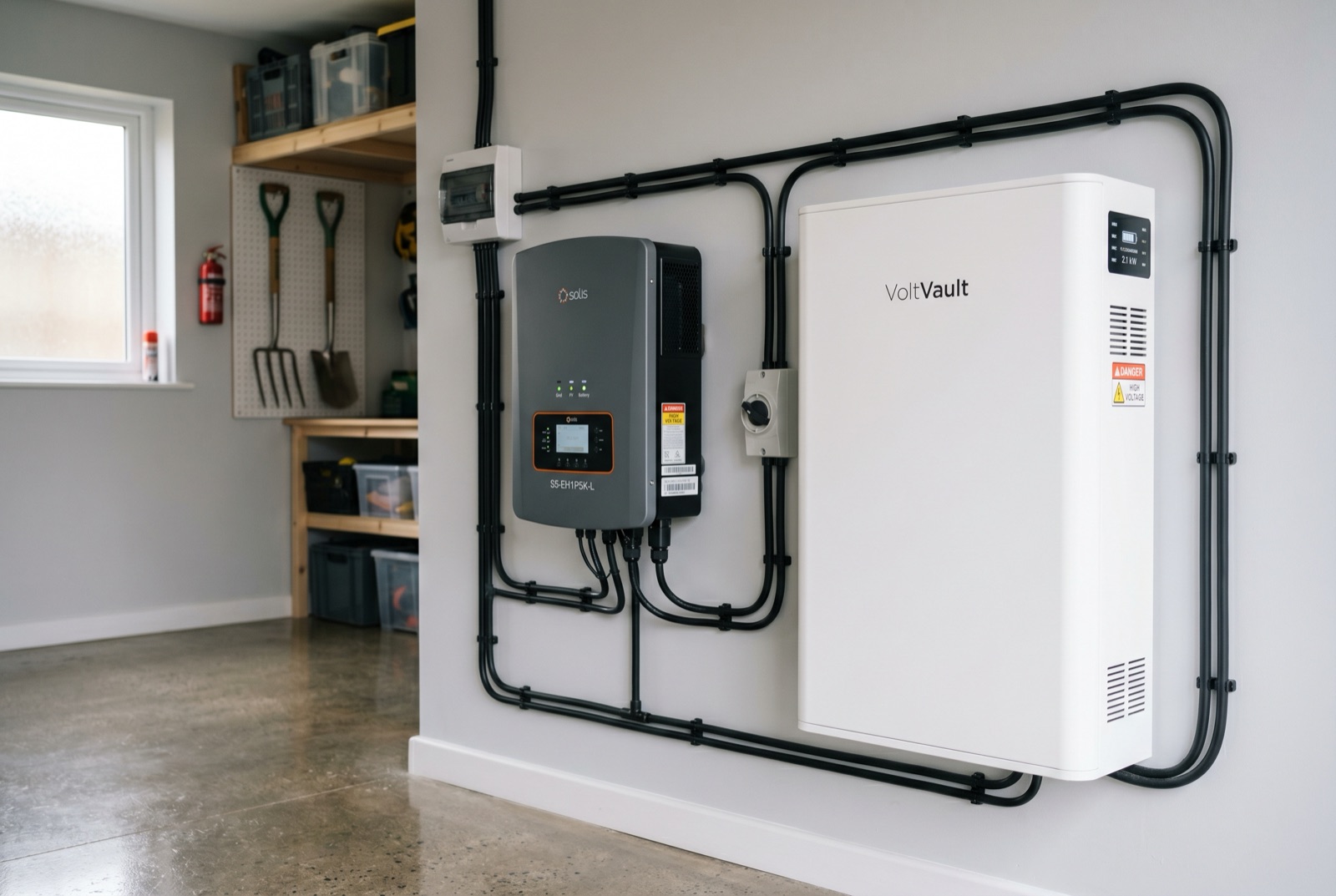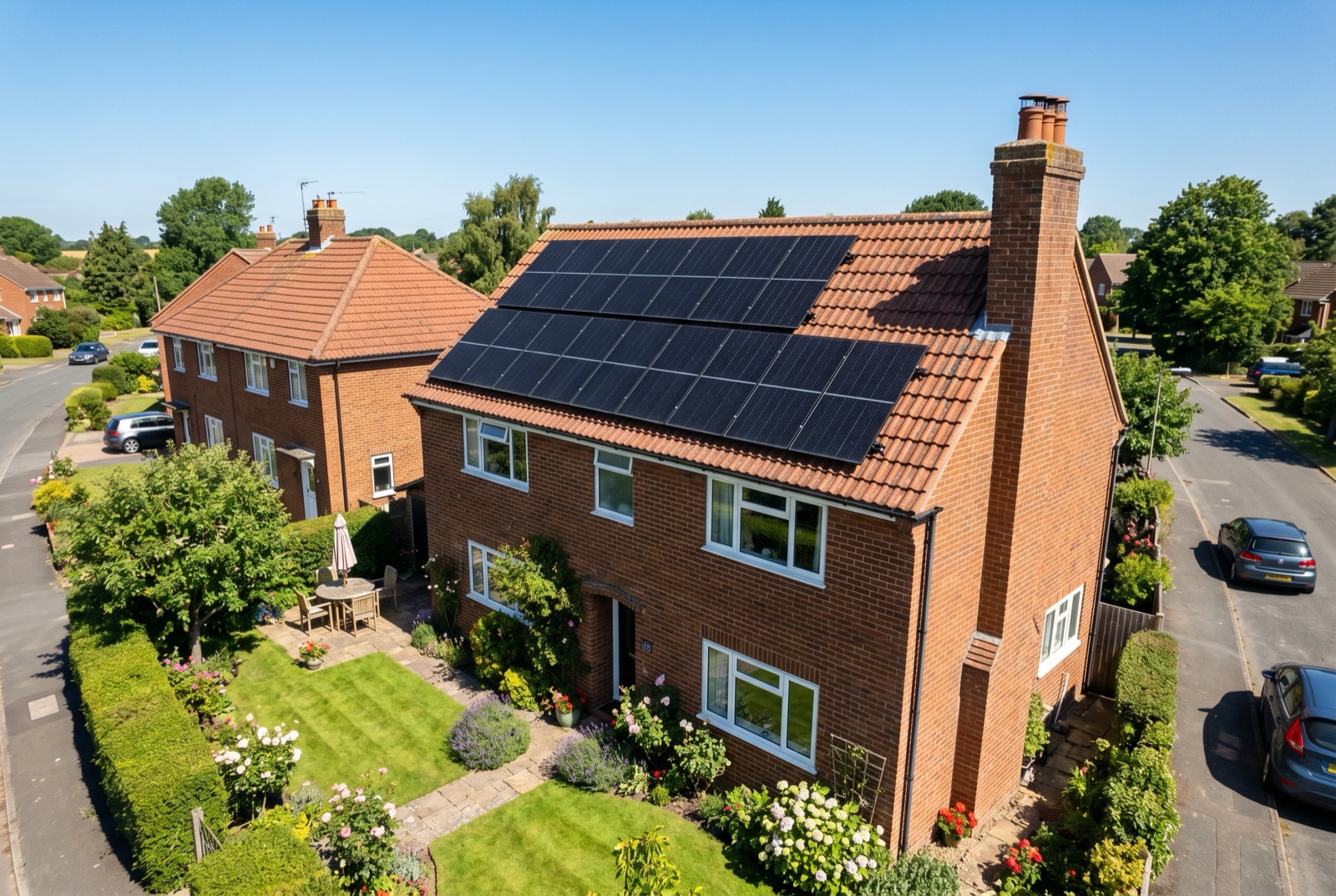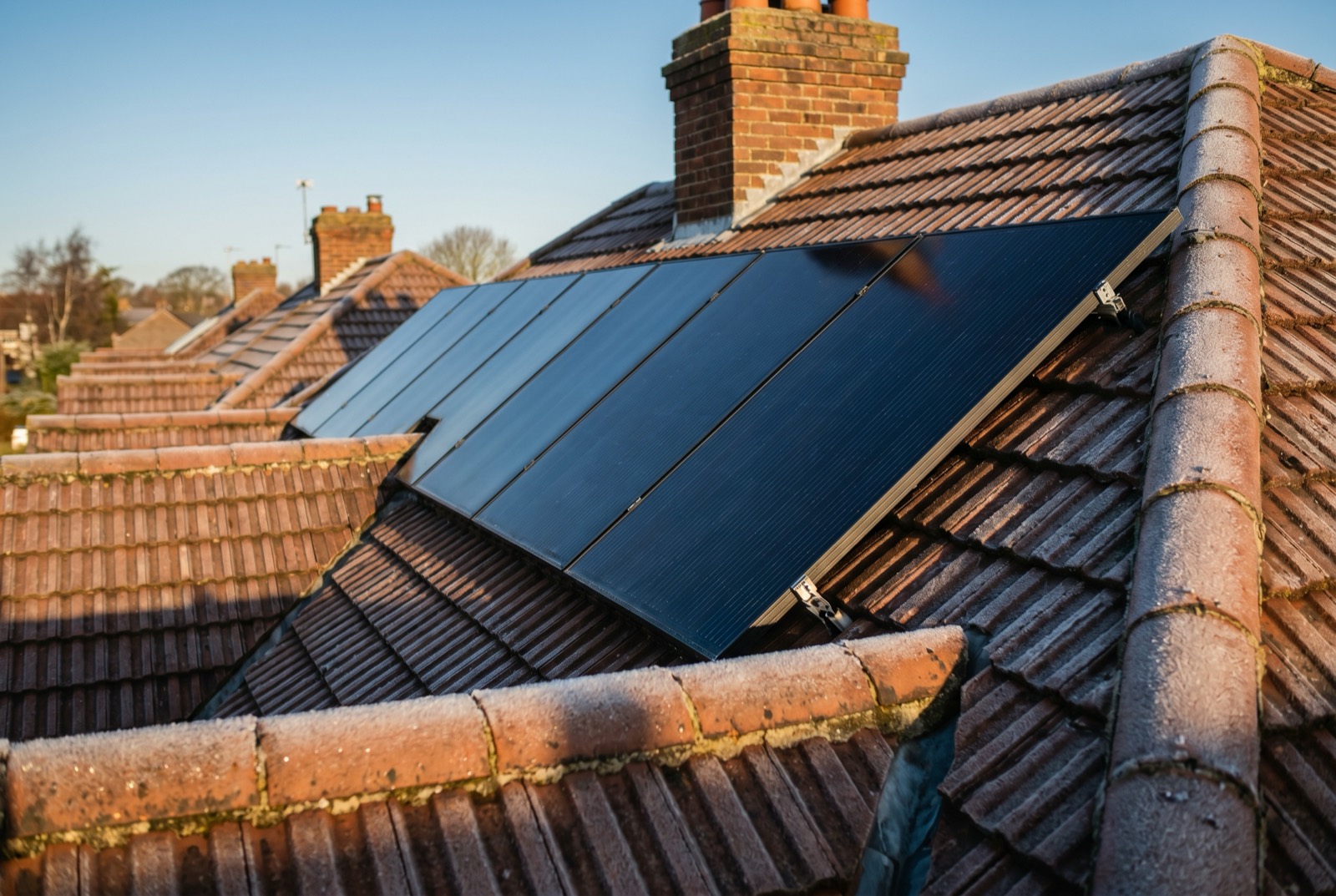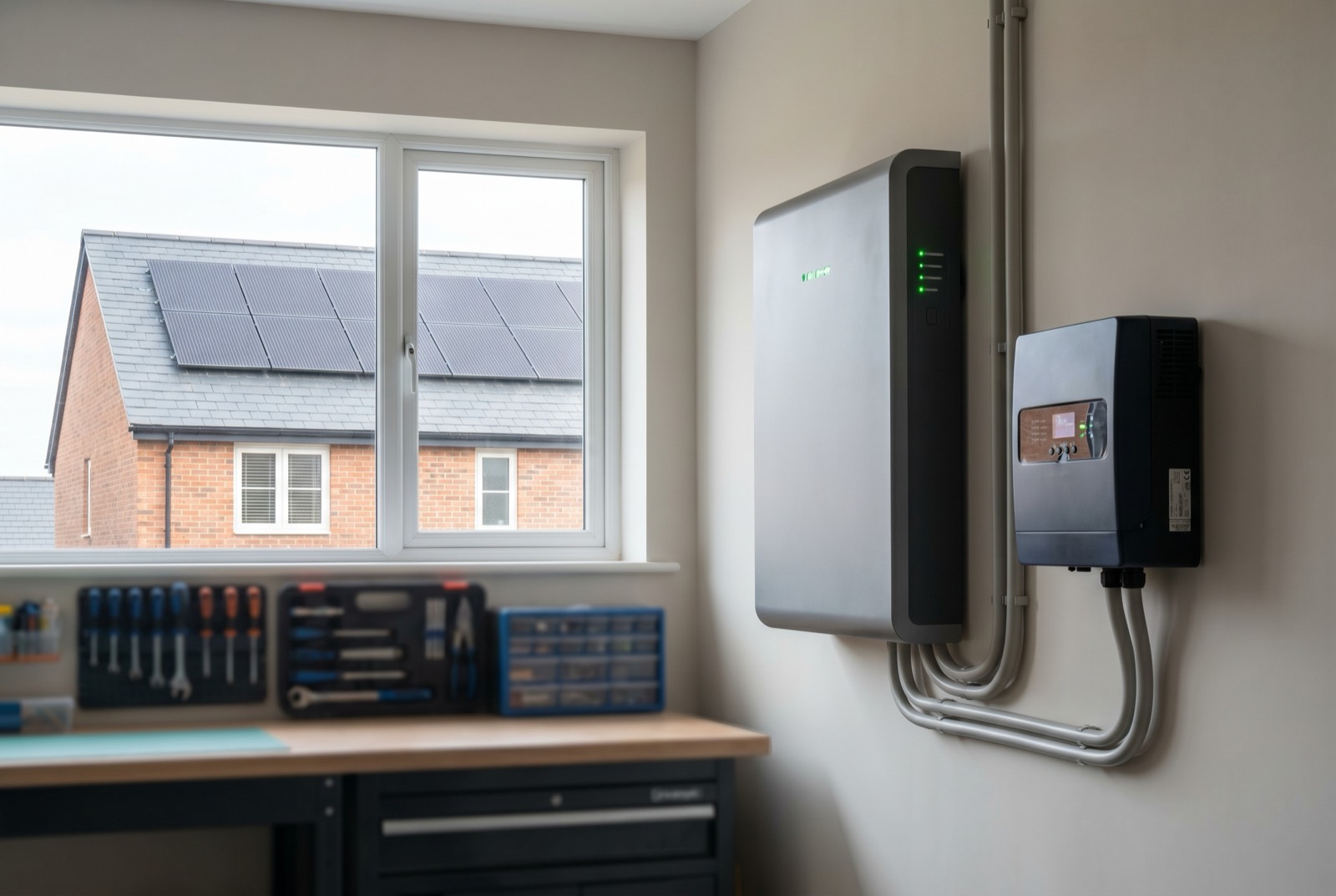
Solar panels generate electricity when the sun shines — which is rarely when your household demand peaks. A home battery bridges that gap, storing surplus energy produced at midday so you can use it during the evening, overnight, or on cloudy days. Together, the two technologies dramatically reduce how much electricity you buy from the grid, and they both qualify for 0% VAT in the UK until at least March 2027, making right now a genuinely good time to act.
Why Pair Solar Panels with Battery Storage?
A typical household without a battery self-consumes roughly 30–50% of the electricity its solar array generates. The rest is exported to the grid, often at low rates through the Smart Export Guarantee (SEG). Add a battery and self-consumption typically rises to 70–90%, depending on household size, usage patterns, and battery capacity. Every extra unit you consume from your own roof instead of the grid is worth the full retail electricity price, which is many times higher than export rates.
Beyond the bill savings, a battery provides a degree of resilience. Many modern systems include a backup mode that keeps critical circuits running during a grid outage — useful as extreme weather events become more frequent in the UK. And if you own or plan to own an electric vehicle, a solar-plus-battery setup can make overnight EV charging genuinely low-cost.
How Solar PV Works: A Quick Recap
Solar photovoltaic (PV) panels convert daylight into direct current (DC) electricity. An inverter converts this to alternating current (AC) for use in the home. System output is measured in kilowatt-peak (kWp) — the power produced under standard test conditions. In the UK, a 1 kWp system generates roughly 800–1,000 kWh per year, varying by roof orientation, pitch, and location. A south-facing roof at 30–35 degrees is optimal, though east-west split arrays have become increasingly popular because they produce more evenly throughout the day.
How Home Batteries Work
Most home batteries use lithium-ion chemistry — the same technology found in electric vehicles. They are rated by usable capacity in kilowatt-hours (kWh) and by continuous power output in kilowatts (kW). The two figures matter equally: a large-capacity battery with a low output rating may not be able to supply your kettle, electric shower, or oven simultaneously. Systems from reputable manufacturers typically carry a 10-year warranty and are designed for a daily charge-discharge cycle throughout that period.
- AC-coupled batteries connect to the existing AC side of a solar system and can be retrofitted to any existing solar installation.
- DC-coupled batteries sit between the panels and the inverter, typically achieving slightly higher round-trip efficiency (the ratio of energy out to energy in).
- Hybrid inverters combine solar inverter and battery inverter in a single unit, simplifying wiring and often reducing installation cost on new builds.
- Virtual power plants (VPPs) allow some battery systems to participate in grid-balancing markets, generating small additional revenues for the homeowner.
Sizing: Getting the Combination Right
Undersizing wastes opportunity; oversizing wastes money. The right sizes for your household depend on your annual electricity consumption, your roof's available area and orientation, and whether you have or plan high-demand loads such as an EV charger or heat pump. As a starting point, most homes with annual consumption of 3,500–5,000 kWh fit well with a 3.5–6 kWp solar array and a battery in the 5–10 kWh usable range. Larger homes or those with EVs often justify 8–12 kWp of panels and 10–20 kWh of battery. An MCS-certified installer will model your specific situation before recommending a system.
- Gather 12 months of electricity bills to establish your actual annual usage before any survey.
- Note when your peak consumption occurs — heavy morning and evening use benefits most from storage.
- Consider future loads: an EV, a heat pump, or a growing family will all increase demand.
- Discuss expandability: some battery systems allow additional modules to be added later without replacing the whole unit.
What Does a Solar and Battery System Cost in the UK?
Costs have fallen significantly over the past decade and continue to do so, though the pace has slowed. What a 4 kWp solar array on a standard pitched roof comes to depends on your roof and specification. Adding a mid-range 5–10 kWh battery increases the total, with the figure varying considerably by brand, capacity, and the complexity of the installation. A combined solar-plus-battery package from a single installer may cost less than buying the two components separately at different times. All qualifying residential solar PV and battery storage installations currently attract 0% VAT, making a meaningful difference to the total outlay.
The Smart Export Guarantee: Getting Paid for Surplus Power
Under the Smart Export Guarantee (SEG), energy suppliers with more than 150,000 customers are required to offer a tariff for electricity you export to the grid. Rates and tariff structures vary — some are fixed, others are flexible or time-of-use. Adding a battery does not prevent you from benefiting from the SEG; it simply means you export less, because you are storing and using more yourself. When choosing a battery system, confirm that the monitoring software can record export volumes accurately, as this data may be needed to claim SEG payments.
Payback, Savings, and Return on Investment
Payback periods depend on your electricity tariff, how much you self-consume, any SEG income, and the total system cost. For a well-sized system in a household with good solar resource and moderately high electricity use, payback periods of 8–14 years are commonly cited, with systems designed to last 25 years or more. Households on time-of-use tariffs — where overnight electricity is cheaper — can optimise battery charging from the grid during cheap periods, further improving the economics. A qualified installer should provide you with a written estimate of projected annual savings based on your actual consumption data, not just generic assumptions.
Planning Permission and MCS Certification
Most domestic solar installations in England, Wales, and Scotland fall under permitted development rights and do not require planning permission, provided the installation does not protrude more than 200mm from the roof surface and certain other conditions are met. Listed buildings and properties in designated areas such as national parks may need consent. Battery storage installed indoors requires no planning permission. For the system to qualify for 0% VAT and for you to access the SEG, the solar installation must be carried out by an MCS-certified installer. MCS (Microgeneration Certification Scheme) accreditation confirms that both the products used and the installer meet recognised quality and competence standards — it is worth verifying certification before signing any contract.
If you are considering solar panels and battery storage, the most useful first step is an on-site assessment from an MCS-certified installer. They can evaluate your roof, model your expected generation and savings, and propose a system sized for your real household needs — at no cost and with no obligation. Use Renovation Register to find vetted, MCS-certified solar and battery installers working in your area.
Related on Renovation Register