An Energy Performance Certificate is the single document that most home-energy grants in the UK ask to see first. It rates your home from A (most efficient) to G (least efficient), and that letter can mean the difference between accessing thousands of pounds in support or being turned away at the first hurdle. The good news is that the rating is not fixed: practical, well-sequenced improvements can move you up one or more bands, reduce your bills, lower your carbon footprint, and open the door to schemes that repay a large part of the cost. This guide explains how EPC ratings work, which measures move the needle most, and how to approach an improvement project sensibly.
What an EPC rating actually measures
An EPC is produced by a qualified domestic energy assessor, who uses a standard methodology (currently the Government's SAP scheme) to score your home on its energy efficiency. The assessor looks at your insulation levels in walls, roof and floor, the type and age of your heating system, how your hot water is heated, the glazing, and whether you generate any energy on site such as solar panels. These inputs produce a numerical score, which translates into the familiar A-to-G band. Most older UK homes sit in bands D, E or F; a newly built home should reach B or A. The certificate is valid for ten years, though a new assessment is needed after significant works.
It is worth understanding what an EPC does not assess. It is a standardised model of your home under assumed occupancy conditions, not a precise prediction of your actual bills. Two households in identical houses can use very different amounts of energy depending on how they behave. That said, the rating is a reliable indicator of how efficient the fabric and systems of the building are, and it is the figure that lenders, landlords and grant schemes all reference.
Why your EPC rating matters for grants
The Boiler Upgrade Scheme (BUS) — which offers up to £7,500 towards an air-source or ground-source heat pump in England and Wales — requires a valid EPC before your MCS-certified installer can apply for the grant on your behalf. Crucially, if that EPC carries a recommendation for loft insulation or cavity wall insulation, those measures must be addressed first before the grant voucher can be issued. This catches many homeowners by surprise, but the logic is sound: a heat pump running in a poorly insulated house works harder and costs more to run than one in a tight, well-insulated building. Addressing the EPC recommendation improves the system's efficiency from day one.
Beyond BUS, the Energy Company Obligation (ECO4) and the Great British Insulation Scheme both use EPC bands as a key eligibility filter — many measures under these schemes are targeted at homes in bands D to G. If you are considering any low-carbon upgrade in the next few years, knowing your current EPC and understanding what it flags is the sensible starting point.
The measures that move your rating most
Not all improvements have the same impact on the score. The SAP methodology weights the fabric of your home heavily — how well it holds heat — before rewarding what heats or powers it. As a result, insulation measures tend to deliver the biggest rating jumps in older, poorly insulated properties, while switching to a more efficient heating system adds further points once the fabric is in reasonable shape. Below are the measures that typically have the greatest effect, roughly in the order a professional would recommend tackling them.
- Loft insulation: one of the highest-impact, lowest-cost measures for most homes. A completely uninsulated loft to 270 mm of mineral wool insulation can produce a notable band improvement for relatively little outlay, though the figure varies by roof size and access. Many homeowners are eligible for partial or full funding through ECO4 or the Great British Insulation Scheme.
- Cavity wall insulation: applicable to most homes built from the 1930s to around 1990, cavity wall insulation fills the gap between the two skins of brickwork with an injected insulating material. It is one of the more affordable measures, again subject to potential funding support.
- Solid wall insulation: older homes with solid walls require a different approach — insulation applied either internally (dry-lining) or externally (cladding). This is more disruptive and considerably more expensive, with the route chosen the main driver, but the rating and comfort improvement is substantial.
- Upgrading to a more efficient heating system: replacing an old or inefficient boiler with a heat pump or a high-efficiency condensing boiler raises the score. A heat pump scores particularly well in the SAP model because of its high coefficient of performance — it is this characteristic that also makes it eligible for the BUS grant.
- Double or triple glazing: replacing single-glazed windows improves both the EPC and comfort noticeably, particularly in homes where draughts are significant. Costs vary widely by the number of windows and the specification chosen.
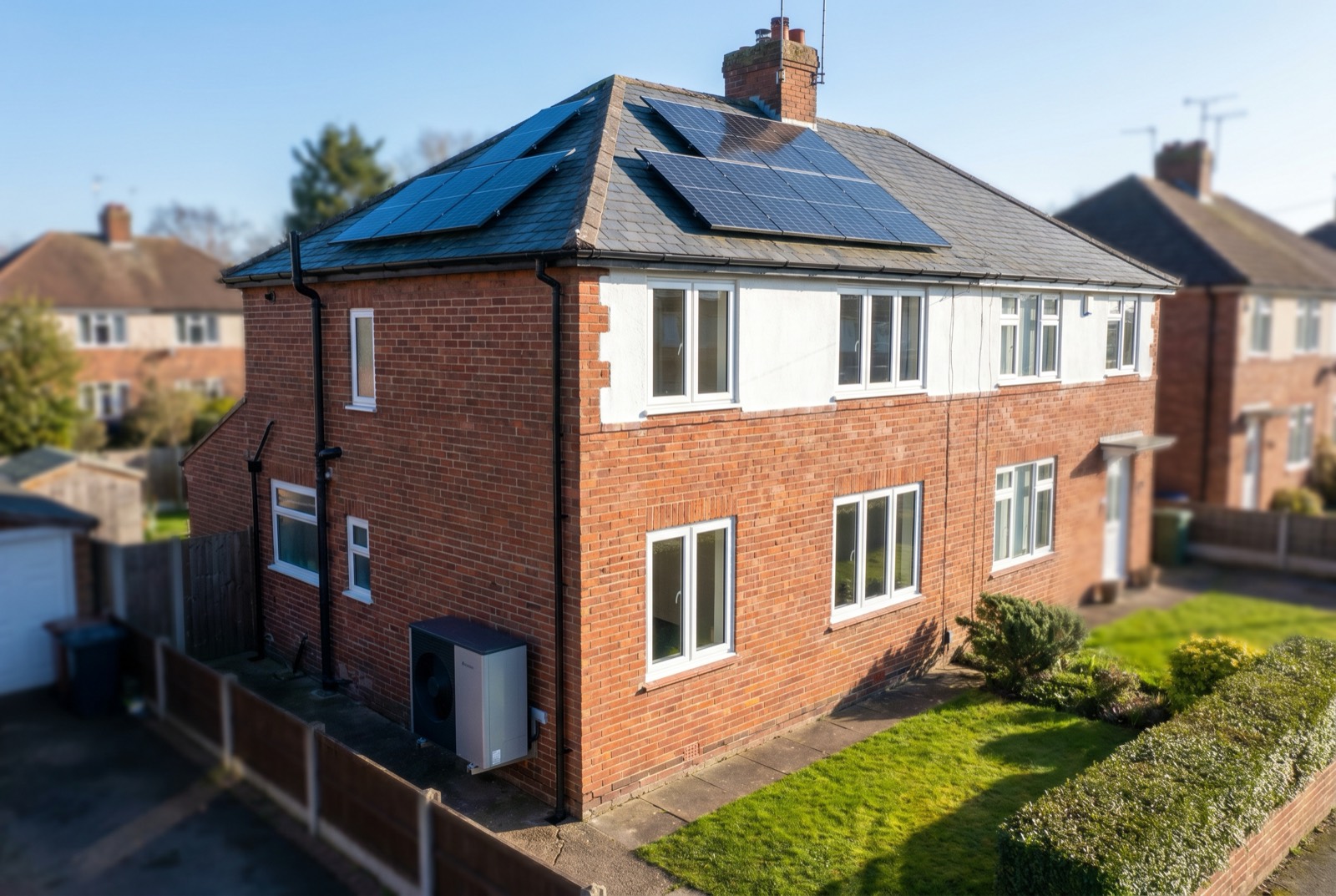
- Solar PV panels: generating electricity on site contributes to the EPC score under SAP, and can push a home from band D into band C or above, particularly when combined with insulation improvements already in place.
- Hot water system improvements: fitting an insulated hot water cylinder, upgrading to a heat pump water heater, or switching from an immersion-only system to one linked to a renewable heat source all improve the rating.
A sensible order of improvements
The standard professional advice — and the logic built into the EPC methodology itself — is fabric first. Fix the building's ability to hold heat before investing in the system that heats it. An air-source heat pump in a draughty, uninsulated house will struggle to perform efficiently; the same pump in a well-insulated, draught-proofed home runs quietly and cheaply for decades. This is also why the Boiler Upgrade Scheme makes loft and cavity wall insulation a precondition: your installer, your bills, and the scheme administrator all benefit from the work being done in the right order.
A practical sequence for most homes would be: tackle the quick wins first (loft insulation, draught-proofing, hot water cylinder insulation); then address the walls if the property has accessible cavities or if solid wall insulation is financially viable; then consider the heating system upgrade, at which point a heat pump or other renewable system will perform at its best and qualify for the grants available. Solar PV and battery storage can come at any stage but benefit from the lower demand the insulated envelope delivers.
Getting a new EPC assessment
If your current certificate is more than a few years old, or if you have carried out works since it was issued, commissioning a new assessment is straightforward. Domestic Energy Assessors are accredited through bodies such as Elmhurst Energy or ECMK; you can find one through the government's official register at gov.uk. A standard assessment for a typical home typically costs somewhere in the region of £60 to £120, though prices vary by assessor and region. The assessor visits your home, collects the data and produces the certificate, which is lodged on the national EPC register and becomes valid for ten years. If you are about to start an improvement project, getting an up-to-date assessment first gives you a clear baseline and confirms exactly which recommendations you need to satisfy.
What MCS certification has to do with it
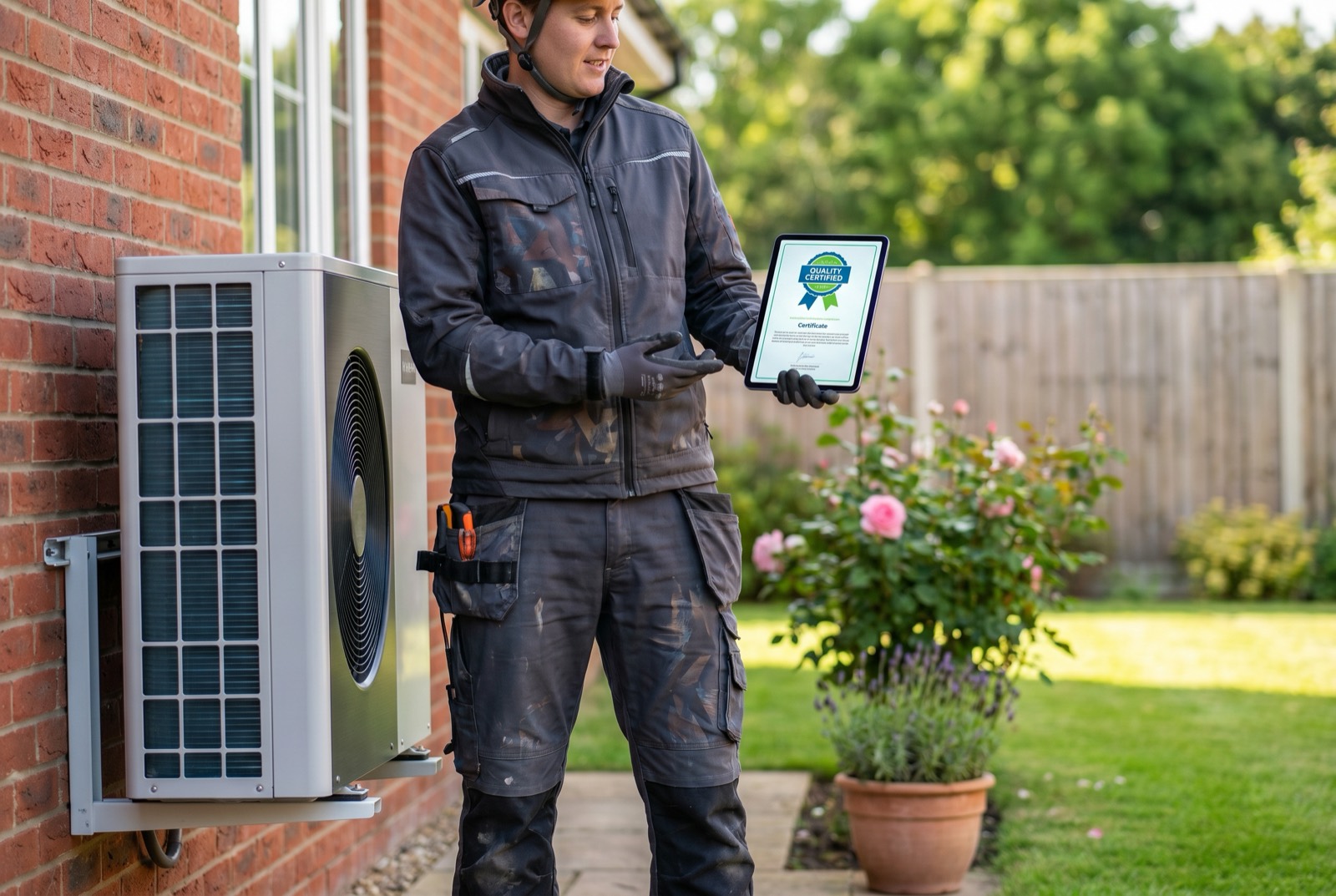
When you move from the insulation stage to installing a renewable system such as a heat pump or solar panels, the installer's MCS certification becomes essential. MCS — the Microgeneration Certification Scheme — is the quality standard that governs small-scale renewable installations in the UK. Only an MCS-certified installer can apply for the Boiler Upgrade Scheme on your behalf, and only an MCS-certified installation qualifies for Smart Export Guarantee payments on surplus solar. You can verify any installer's certification at mcscertified.com, and it is worth doing so before you sign anything, since the certificate is company- and technology-specific: an installer certified for solar PV is not automatically certified for heat pumps.
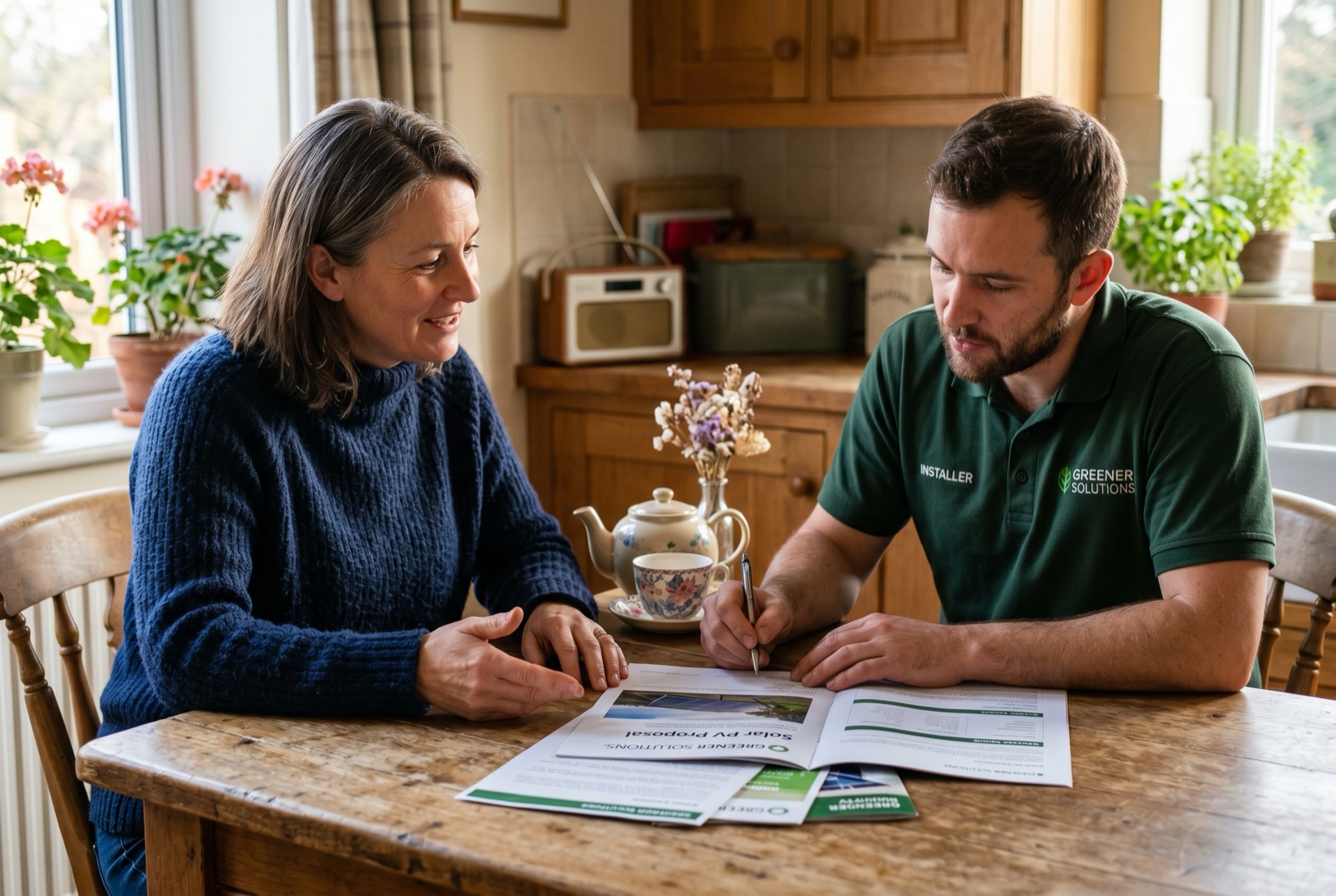
Improving your EPC is a journey that rewards a methodical approach — and one that a properly qualified professional can map out for your specific home far more accurately than any generic guide. If you are ready to take stock of where your home sits today and what a realistic improvement path looks like, an independent assessment from an MCS-certified installer is the clearest next step, with no obligation to proceed until you have the full picture.