The question of whether solar panels are worth it in the UK comes up constantly, and the honest answer is: it depends. The UK is not the sunniest country in Europe, but it receives enough irradiance to make solar photovoltaic (PV) systems financially viable for a large proportion of homeowners. What matters is understanding what drives the savings, what drives the costs, and which households stand to benefit most — before you commit to an installation.
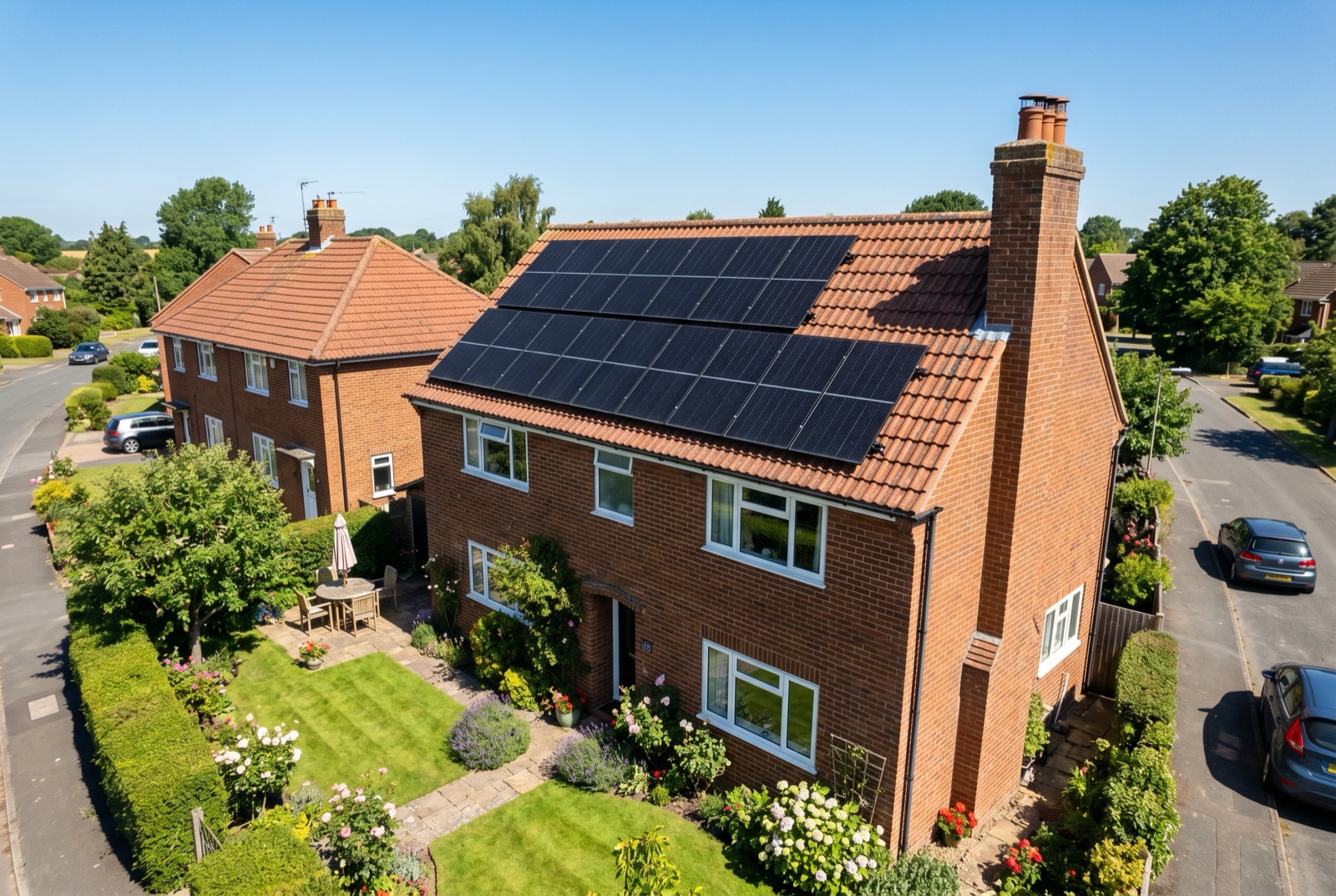
A typical domestic solar PV system in the UK — sized at around 3.5 to 4 kilowatt-peak (kWp) for an average semi-detached or detached home — costs depend on panel quality, roof complexity, scaffolding requirements, and the installer. Larger systems of 5–6 kWp, which suit bigger households or those with higher electricity demand, cost more again as system size grows. Adding a battery storage system (commonly 5–10 kWh capacity) increases the total further. Since April 2022, qualifying residential solar PV installations benefit from 0% VAT, which reduces the upfront cost meaningfully compared with the previous 5% rate.
Savings come from two sources: the electricity you generate and use yourself (self-consumption), and the electricity you export to the grid. Self-consumption is where the bulk of the value lies. Every unit of solar electricity you use directly avoids buying that unit from your supplier at the prevailing unit rate. With typical UK electricity unit rates having risen significantly in recent years, this offset is more valuable than it has historically been. A 3.5 kWp system in an average UK location might generate roughly 3,000 to 3,500 kilowatt-hours (kWh) per year. If you self-consume around half of that and the rest goes to the grid, the annual bill saving and export income combined could reasonably fall in the range of £500 to £900 per year for many households — though this varies considerably based on tariff, household usage patterns, and location. These are indicative figures, not guarantees.
The Smart Export Guarantee (SEG) replaced the old Feed-in Tariff and requires licensed electricity suppliers with more than 150,000 customers to offer an export tariff to eligible small-scale generators, including solar PV systems up to 5 MW. The rate is set by the supplier, not the government, so it varies. Rates have ranged from around 1p to more than 15p per kWh exported, depending on the tariff type and supplier — some offer fixed rates, others offer time-of-use or agile rates that can be higher at peak times. To receive SEG payments, your installation must be certified under the Microgeneration Certification Scheme (MCS). This is a hard requirement, not a formality: an installer who is not MCS-certified cannot produce the certificate you need to register for SEG. Always verify MCS certification before signing any contract.
Payback period depends on system cost, self-consumption rate, energy prices, and SEG income. Under current conditions, many households with good south-facing roof space and reasonable daytime electricity usage are seeing indicative payback periods of around 8 to 14 years for a solar-only system. Adding battery storage typically extends the payback period, though it increases self-consumption and can add resilience during grid outages. After payback, a well-maintained solar PV system should continue to generate for 25 years or more — most reputable panels carry a 25-year performance warranty. The payback arithmetic has improved over the last few years as electricity prices rose, and remains sensitive to future price movements in both directions.
Solar PV works best for a specific set of circumstances. The households that tend to see the strongest returns share several characteristics:
- A south-facing roof with a pitch of roughly 30–40 degrees and no significant shading from trees, chimneys, or neighbouring buildings.
- High daytime electricity consumption — working from home, running appliances during the day, or charging an electric vehicle (EV) during daylight hours all increase self-consumption significantly.
- Owners rather than renters, as payback periods are measured in years and the benefit follows the property.
- Households planning to stay in the property for at least a decade, or who understand that a solar installation can add value at point of sale.
- Those who can pair solar with a smart tariff or battery storage to maximise the proportion of generated electricity they use directly.
- Homes in southern England or Wales, which receive more annual irradiance than northern Scotland — though the difference is smaller than many people assume, and Scottish homes can still achieve good returns.
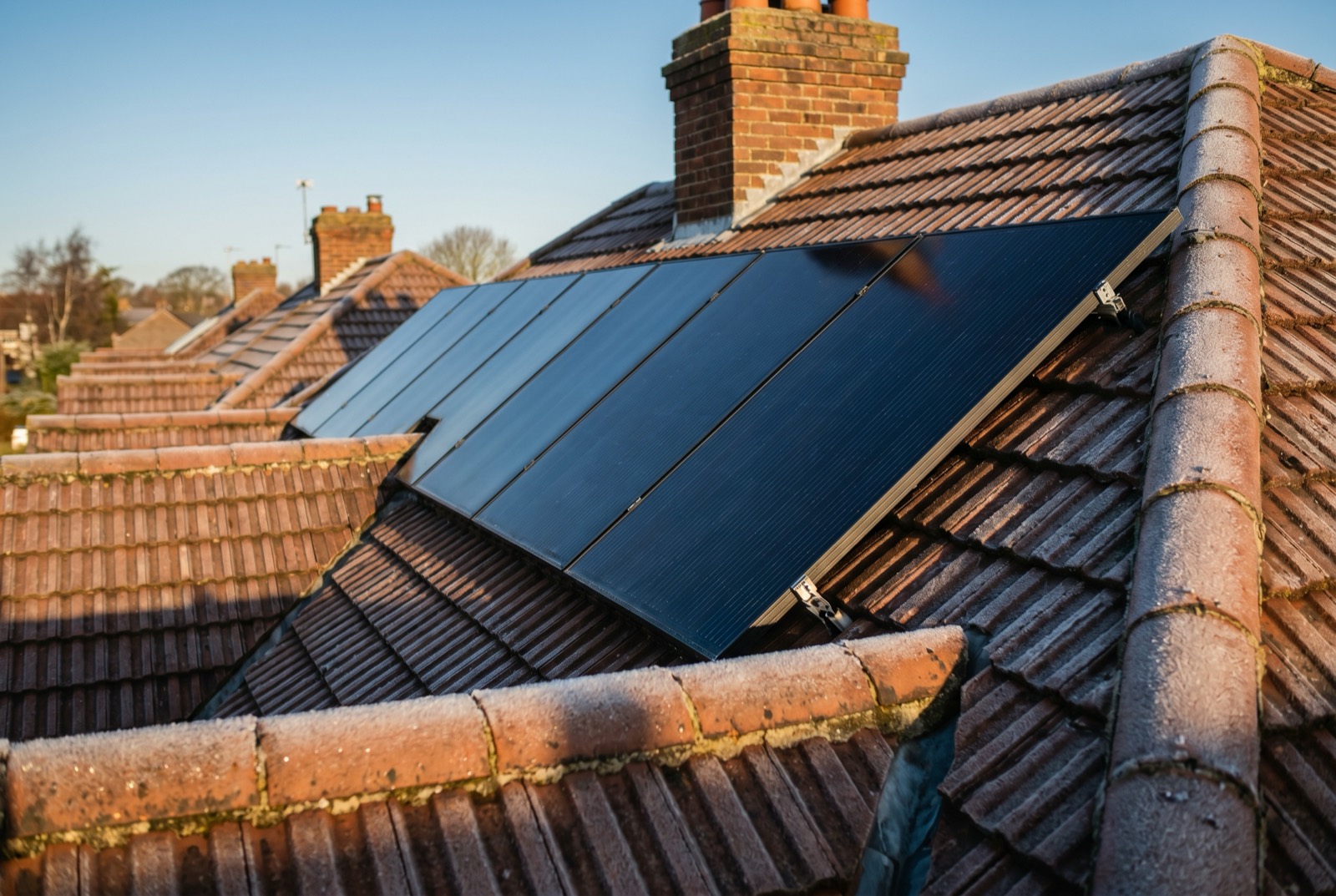
Solar PV is not universally the right first step. Homes with east- or west-facing roofs will generate less than a south-facing equivalent, though east-west split arrays can still perform well. Heavily shaded roofs are a more serious constraint — shading on even one or two panels can reduce output across an entire string if the system is not designed to handle it. If your home is poorly insulated, improving fabric first (loft, walls, floor) will usually deliver a better return per pound spent than solar alone, and will also reduce the size of solar system you need. A good MCS-certified assessor will tell you this honestly rather than simply sell you a system.
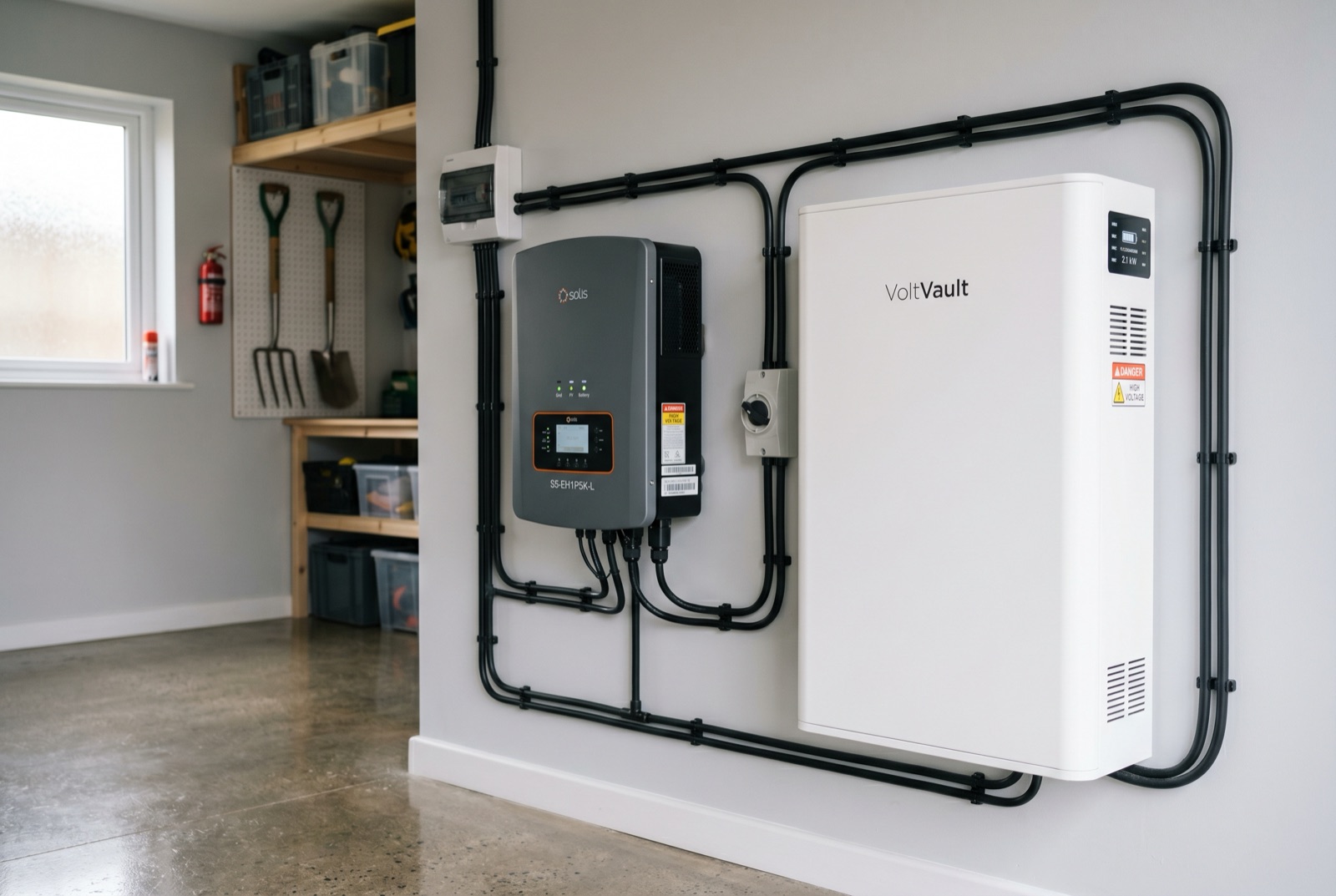
Battery storage lets you store surplus solar generation during the day and use it in the evening, which is when most households draw the most electricity. This increases self-consumption and reduces what you export — which only matters if your SEG rate is lower than your import rate, which it almost always is. The financial case for batteries has strengthened as electricity prices rose, and some smart tariffs allow you to charge from the grid cheaply at night and discharge in the evening, adding a second layer of arbitrage. That said, batteries add upfront cost and their long-term economics depend on usage patterns, tariff design, and battery longevity. They are worth modelling alongside the solar system rather than assumed.
Solar thermal systems use sunlight to heat water rather than generate electricity. They are typically cheaper to install than solar PV and can cover a meaningful proportion of a household's hot water demand. However, they do not generate electricity and cannot be used for anything other than heat. For most households today, solar PV with a diverter (which diverts surplus electricity to an immersion heater) can serve a similar hot-water function while also generating usable electricity. Solar thermal remains a valid choice, particularly in homes where hot water demand is high relative to electricity demand, but it is worth comparing both options with an MCS-certified assessor.
If you are seriously considering solar panels, the most useful next step is a professional assessment of your specific roof, usage profile, and existing energy setup. An MCS-certified installer is not just a regulatory checkbox — it is your assurance that the system will be designed correctly, installed to a recognised standard, and eligible for the Smart Export Guarantee. Use our directory to find MCS-certified solar installers in your area, and ask for a detailed quote that shows projected generation, self-consumption assumptions, and payback calculation alongside the upfront cost.
Related on Renovation Register