The Great British Insulation Scheme (GBIS) is a government-backed programme designed to help households across England improve the thermal efficiency of their homes. Running alongside the established Energy Company Obligation (ECO4) scheme, GBIS targets properties that are poorly insulated — helping to reduce energy bills and lower carbon emissions at the same time. If your home has a low energy-efficiency rating, you may be entitled to free or heavily subsidised insulation, regardless of your income, through one of two eligibility routes.
What Is the Great British Insulation Scheme?
Launched in 2023 and running until March 2026, GBIS is delivered by the larger energy suppliers in Great Britain, who are legally required to meet targets for installing insulation measures in qualifying homes. Unlike ECO4, which focuses primarily on low-income and vulnerable households, GBIS has a broader reach — it includes a general group open to homes in council tax bands A to D (in England) that have a poor Energy Performance Certificate (EPC) rating. This makes it one of the more accessible government energy schemes currently available.
Who Qualifies for GBIS?
There are two eligibility routes under GBIS, and you only need to meet the criteria for one of them.
- Group 1 — Low income and vulnerable households: You receive a qualifying means-tested benefit (such as Universal Credit, Pension Credit, or Child Tax Credit) and your home has an EPC rating of D or below.
- Group 2 — General group: Your home is in council tax band A to D (England) and has an EPC rating of D, E, F, or G. No means-tested benefit is required.
- Properties in Scotland and Wales: Separate but broadly similar schemes apply — Home Energy Scotland and Nest cover similar ground for residents there.
- Owner-occupiers and private renters can both be eligible, though landlords may need to meet additional conditions before work can proceed on a rented property.
Which Insulation Measures Are Covered?
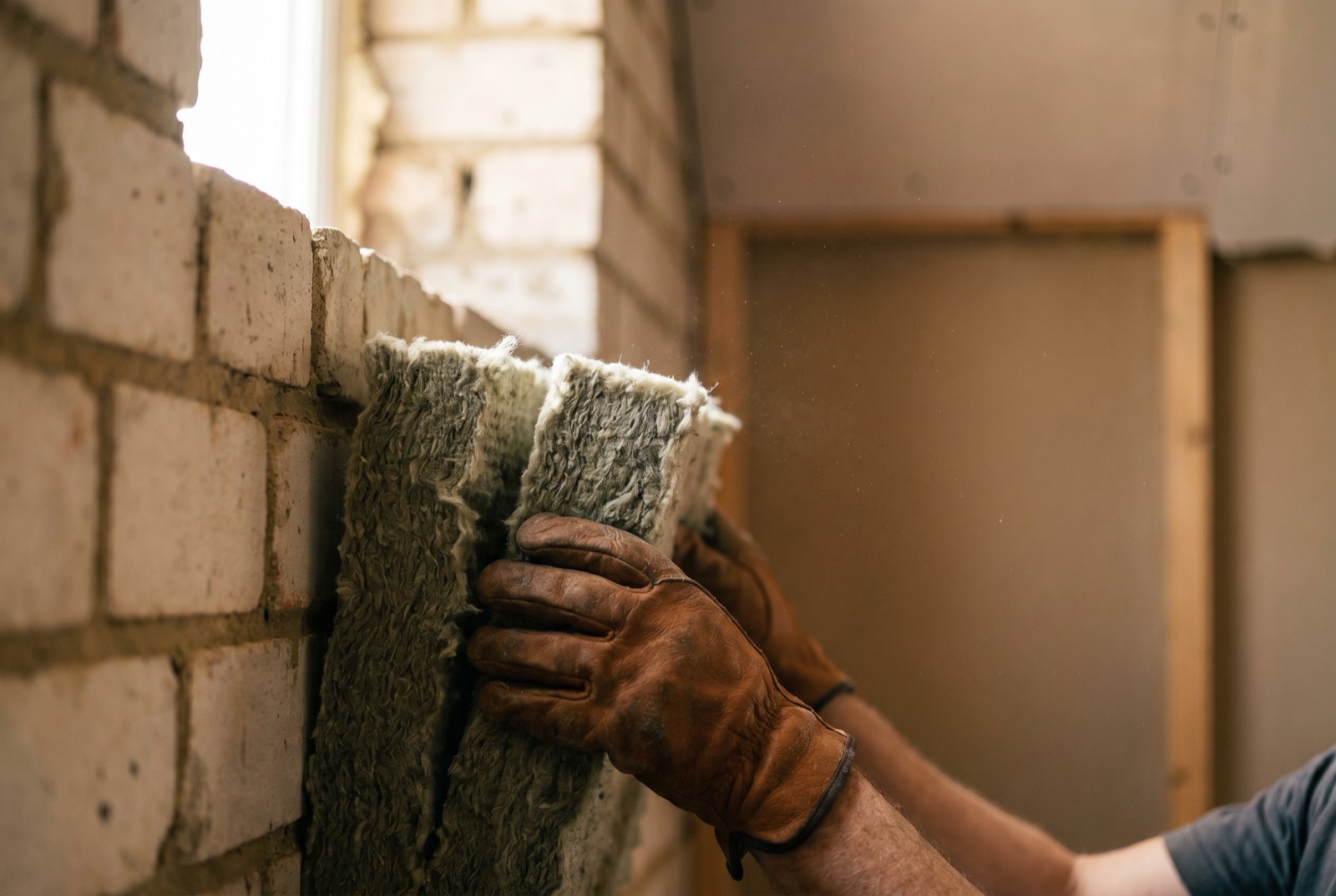
GBIS focuses on a single primary measure per household — the one deemed most impactful for that specific property. The scheme covers a range of insulation types, and the appropriate measure will be recommended based on a survey of your home.
- Cavity wall insulation — suitable for homes built with a gap between the inner and outer walls, typically post-1920 properties.
- Loft insulation — one of the most cost-effective measures, applicable to homes with accessible, uninsulated or under-insulated loft space.
- Solid wall insulation (internal or external) — for older homes without a cavity, which are typically harder and more expensive to insulate.
- Underfloor insulation — where accessible suspended floors are present.
- Flat roof insulation — applicable to homes or extensions with flat roof areas.
- Room-in-roof insulation — for properties where living space is built into the roof structure.
- Park home insulation — for residents of mobile or park homes.
How Much Does It Cost Homeowners?
For households in the low-income group, insulation measures are typically provided free of charge. For those in the general group, the energy supplier is required to make a 'meaningful contribution' to the cost, but you may be asked to pay a contribution depending on the measure and your circumstances. The exact cost varies by installer and measure — cavity wall insulation, for example, may be fully funded in many cases, while more expensive measures such as solid wall insulation may require a partial contribution. It is worth getting a written quote and comparing offers from multiple suppliers before committing.
How to Apply for the Great British Insulation Scheme
There is no single national application portal for GBIS. Instead, there are several routes to accessing the scheme.
- Check your EPC rating: Your home's EPC rating is available free of charge on the GOV.UK EPC register. If your home does not have a valid EPC, you will need to commission one from an accredited assessor before you can proceed.
- Contact your energy supplier: The large energy companies — British Gas, E.ON, EDF, Octopus, OVO, Scottish Power, and others — are obligated to deliver the scheme. Contact yours directly to ask about GBIS eligibility and available measures.
- Use the Simple Energy Advice service: The government's Simple Energy Advice helpline (0800 444 202) can check your eligibility and refer you to a participating supplier or local authority scheme.
- Ask your local council: Some local authorities run their own referral schemes or area-based programmes that channel GBIS funding. Contact your council's housing or energy team.
- Work with a Trustmark or MCS-registered installer: Some installers work directly with suppliers to identify and refer eligible households. Choosing a certified installer ensures the work meets required standards and that the measure is correctly registered.
What Happens During and After the Survey?
Once referred to a participating supplier or installer, your home will be assessed to confirm eligibility and to identify the most suitable measure. The surveyor will check the property construction type, existing insulation levels, and access conditions. If your home qualifies, you will receive a written proposal detailing the recommended measure, any contribution required from you, and the expected timeline. Installation work is carried out by approved contractors, and on completion you should receive documentation confirming what was installed. Keep this paperwork — it will be relevant if you sell your home or apply for further energy schemes in future.
How GBIS Fits with Other Schemes
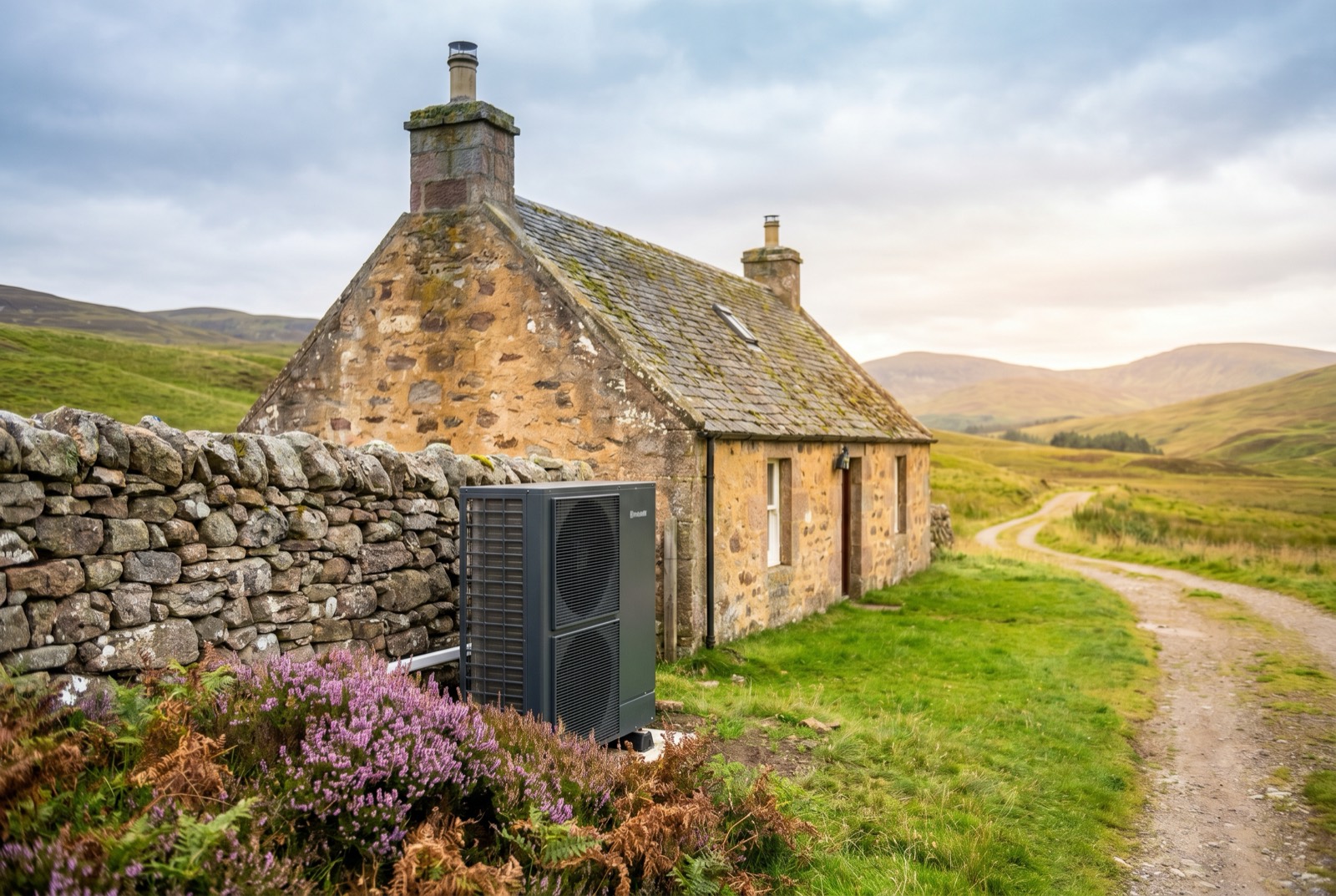
GBIS is specifically focused on insulation and does not fund heating system upgrades. If you are interested in replacing a gas boiler with a heat pump, or installing solar panels, you would need to look at complementary schemes such as the Boiler Upgrade Scheme (which offers grants of up to £7,500 towards a heat pump) or explore 0% VAT on qualifying energy-saving measures. Improving your insulation first is often recommended before upgrading your heating system, since a well-insulated home requires a smaller, less expensive heating unit and achieves greater running-cost savings. GBIS and ECO4 can sometimes be combined — ask your supplier or installer whether your property might qualify under both.
If you are unsure where to start, a free home energy assessment is the most practical first step. An independent assessor or an MCS-certified installer can advise on which measures your home is eligible for, the likely order of works, and how to access funding across multiple schemes. Use the Renovation Register to find MCS-certified professionals in your area who are familiar with GBIS requirements and can guide you through the process without obligation.